Community Culture: Aerial Salad – Dr. Martens Ramsey Monk Kiltie

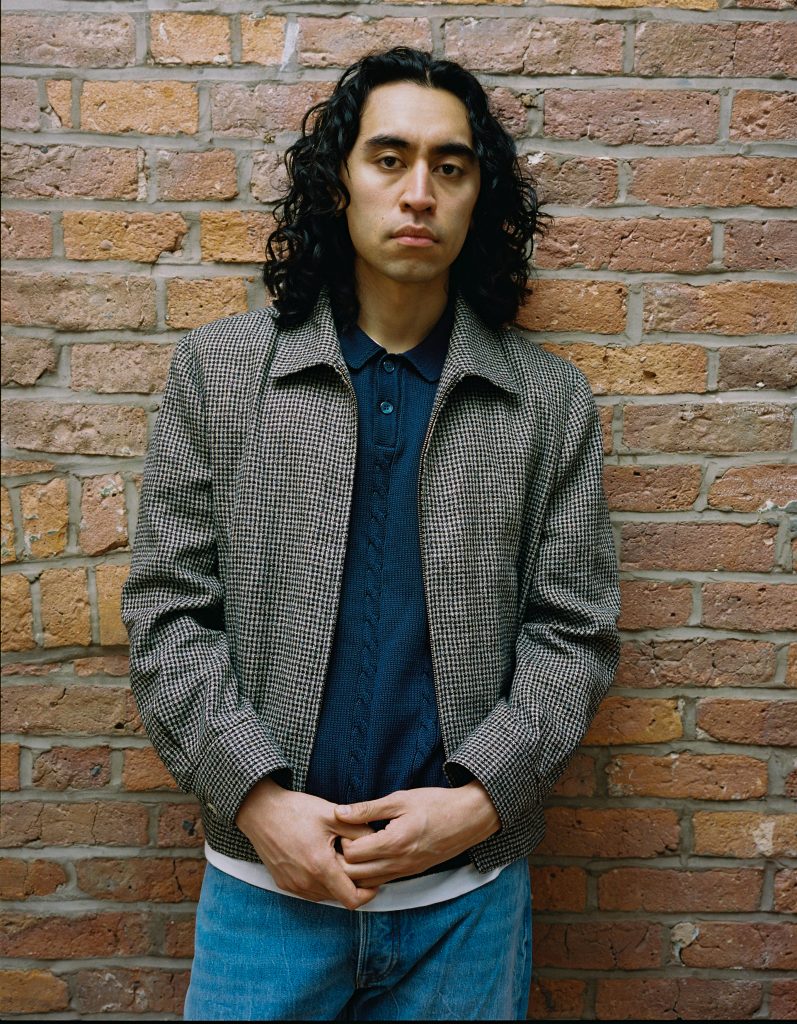
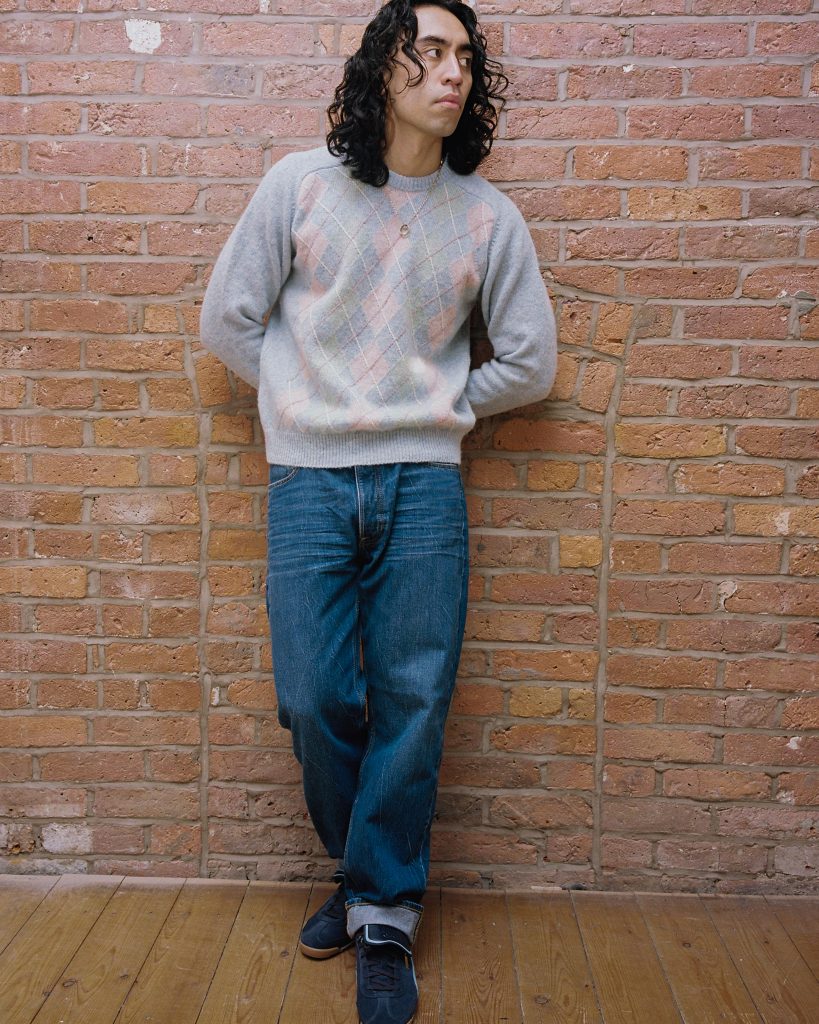
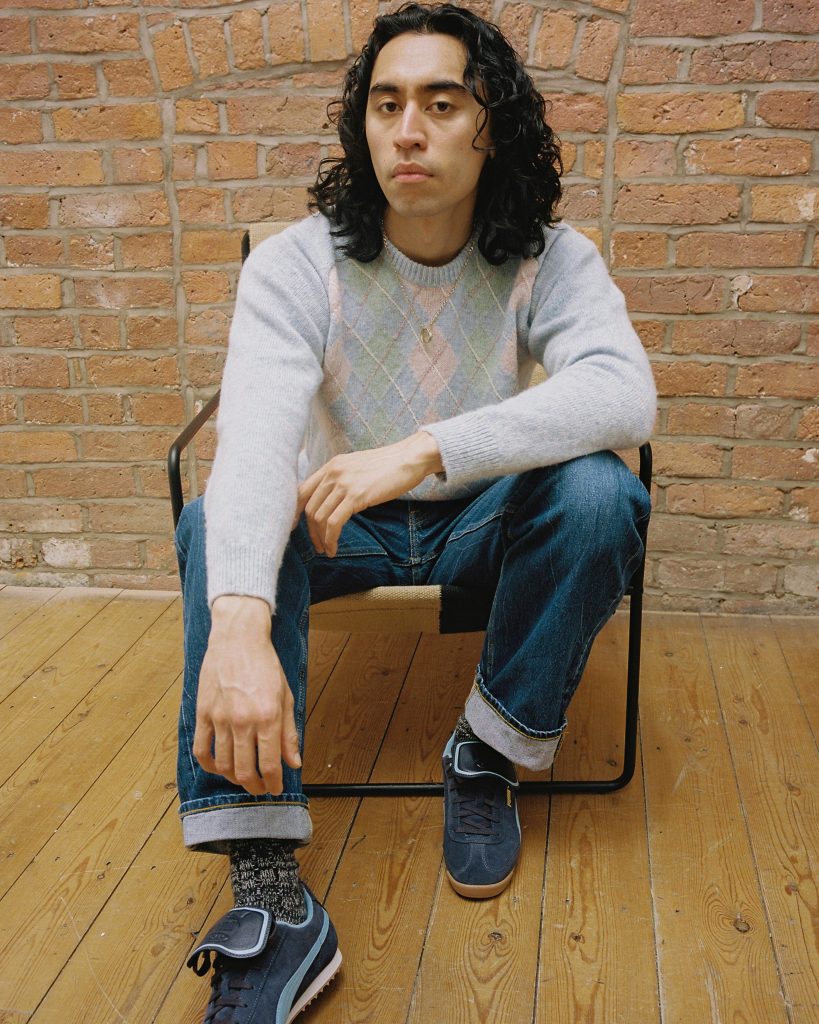
To highlight the new Ramsey Monk Kiltie creeper shoe by Dr. Martens, this season at HIP we met up with Manchester-based DIY punk band Aerial Salad in the Northern Quarter.
Having formed back in 2016, the trio lean on sounds from iconic Manchester bands of decades gone by, whilst developing their own version of contemporary post-punk. The band’s breakthrough 2020 album Dirt Mall told the story of a youthful desire for more – estrangement from modern capitalist Britain. Aerial Salad are also known for abrasive and joyful live experiences – a throwback to times gone by and something that has helped establish a loyal underground following in mainland Europe.
The Ramsey Monk Kiltie has the DNA of the subcultural creeper, unconventionally refined with Dr. Martens’ attitude. Made with signature C.F Stead Desert Oasis suede, the shoe arrives in three shades from the brand’s Nu Underground colour palette. Key features include a self-fabric kiltie, creeper vamp detailing and a Monk-strap fastening, atop a chunky BEN outsole decorated with iconic yellow welt stitching.
The Dr. Martens Ramsey Monk Kiltie is online now and available in our Leeds store.


HIP Spotlight: The History Of Patagonia
Patagonia is a global icon with a humble origin story as a small Californian climbing tools company formed out of pure love for the outdoors. 50 years on from being officially formed in 1973, the brand has carved out a place on a pedestal in the outdoors industry, admired and loved globally for its unwavering commitment to protecting the planet, attractive and long-lasting clothing, and version of a healthy active lifestyle. Patagonia’s eco-friendly outlook is more than just a conscience, it informs everything the brand does. Using its business, investments, voice and imagination, the brand has made tangible differences to the world we live in.
How did Patagonia begin and who formed it?
Yvon Chouinard, Patagonia’s future founder, began his lifelong love of climbing in 1953 aged just 14 when he joined the Southern California Falconry Club. After meeting other young climbers that shared his passion, Chouinard and friends would explore California’s idyllic mountain ranges and eventually teach themselves to climb the imposing walls of Yosemite. To assist their adventures, Yvon learned how to blacksmith in order to create vital tools, starting with pitons – spikes mounted into a rock to support a climber. Word quickly spread in the close-knit Californian climbing community, and before long, Yvon had a small shop in his parents’ backyard. He would also load up his car with tools and travel the Californian coast, from Big Sur to San Diego, surfing and finding other local climbers he could do business with.

Back in Yosemite, Chouinard and his friends once had to hide out from the rangers in the boulders above Camp 4 after they overstayed the two-week camping limit. They took pride in the fact that climbing rocks and icefalls had no economic significance – ‘that they were rebels’.

In 1965, Yvon went into partnership with Tom Frost and started Chouinard Equipment. During the nine years that the pair worked together, they improved virtually all climbing tools in every possible aspect. Interestingly, the foundation of their design protocol was inspired by Antoine de Saint Exupéry, the French aviator: “In anything at all, perfection is finally attained not when there is no longer anything to add, but when there is no longer anything to take away, when a body has been stripped down to its nakedness.” By 1970, Chouinard Equipment had become the largest supplier of climbing hardware in the United States.

On a winter climbing trip in Scotland in 1970, Yvon spotted the appeal of the rugby shirt for climbing; its sturdy collar protected the neck, and upon his return to the States other climbers were asking where they could get one. Clothing was seen as a way to support the brand – by ’72 Patagonia was selling cagoules, beanies and gloves, sourcing fabrics from around the world.
At the time, the mountaineering community relied on traditional materials like cotton and wool, however Patagonia looked elsewhere for inspiration. The brand decided that a staple of North Atlantic fishermen, the synthetic pile sweater, would make an ideal mountain layer, because it insulate well without absorbing moisture. Eventually finding a mill in Los Angeles that could produce this type of fiber, and after rigorous field-testing and experimentation, the brand came up with a fabric that fit its requirements.
Patagonia’s Famous Logo
In 1975, Yvon created Patagonia’s iconic emblem after climbing Mount Fitz Roy in Patagonia, California. The idyllic image of mountains against a sunset skyline directly inspired the stylistic artwork, an enduring silhouette that represents everything Patagonia has come to represent.

Patagonia’s Iconic Vintage Catalogues
In the ’70s Patagonia also started disseminating its now legendary catalogues, which have become true grails for fans of the brand. The catalogues fostered a sense of community and adoration for the label – a visual illustration of the Patagonia lifestyle. Featuring incredible imagery by famous outdoor photographers and captions inspired by writers such as Ernest Hemingway and Jack London, the catalogues captured the intrinsic sense of adventure and natural world beauty which the brand was ultimately born out of. Even using photographs from its audience, Chouinard told the New Yorker “We were the first to use real people, and captions saying who and where they were”.


The catalogues introduced the notion of layering to the outdoor community: an inner layer against the skin for moisture transport, middle layer of pile for insulation, outer shell layer for wind and rain protection. As a result of years of work to advance its fabric range, Patagonia released its now signature Synchilla in 1985 – an even softer, double-faced fabric that did not pill at all and is still used for fleeces in each collection today. From that point forward, the brand began to make significant investments in fabric research and design. Another seismic shift in the ’80s outdoors market associated with Patagonia was its inclusion of vivid colour, contrasting the bleak tones used by other brands. At this time, the brand was growing rapidly, developing a cult following which led to inclusion in Inc. Magazine’s list of the fastest-growing privately held companies.


Patagonia’s Values
Although when growth halted in 1991, the brand was forced to lay 20% of its staff off. This forced Chouinard to reflect on what type of business he wanted Patagonia to be. Despite the upheaval, Patagonia preserved its DNA. At the brand’s office in Ventura, California – where it is still headquartered today – staff wore what they wanted, often ran or surfed at lunch and played volleyball out back. Patagonia emphasised its staff’s well-being, putting on healthy food in the canteen and sponsoring skiing and climbing trips. Another sign of altruism was an on-site childcare centre, opened at the insistance of Malinda, Yvon’s wife. The presence of children playing in the yard or having lunch with their parents in the cafeteria kept the company atmosphere more familial than corporate; in 2015 Patagonia were recognised by President Obama for its commitment to working families.

Patagonia’s Mission To Help Save The Planet
Patagonia was still in its infancy when it started devoting time and money to the increasingly stark environmental crisis. Reading about global warming, the cutting and burning of tropical forests, the rapid loss of groundwater and topsoil, acid rain, the ruin of rivers and creeks, reinforced what the brand saw with its eyes and smelled with its noses during its travels. Early on, Patagonia began initial steps to reduce its own role as a corporate polluter across every aspect of the business, not just using organic dyes and sustainable fabrics, looking at reducing its carbon footprint within every minute detail of the operation.

The brand began to make regular donations to smaller groups working to save or restore habitat rather than give the money to non-governmental organisations with corporate roots. In 1986, Patagonia committed to donating 10% of profits each year to these groups; this was later upped to 1% of sales, profit or no profit. That commitment has not been altered – remaining the same every year since.
By 2012, Patagonia’s extensive environmental work meant it became the first Californian company to become a benefit corporation—a legal framework that enables mission-driven businesses to stay that way as they grow and change. The brand is also a Certified B Corporation – highlighting its explicit social or environmental mission.
The brand’s list of commitments and acts of service to help saving our planet is endless. Including the launch of Worn Wear— its used clothing and repair program. The scheme began as a blog for fans of the brand to share stories about their favourite Patagonia products and the ‘badges of honour’ rips, tears and stains— that signified treasured memories in the great outdoors. The sentimental stories inspired the brand to turn a small repair service into the largest garment repair facility in North America, constructing a mobile repair truck out of reclaimed materials so a small team could travel the country and repair people’s clothing free of charge.
An issue the brand encountered in its mission, was the lack of control over factories it did not own. This meant Patagonia did not full jurisdiction over how much workers were paid, and how they were treated. Through partnering with Fair Trade, Patagonia could ensure that some of the money spent on a product goes directly to its producers and stays in their community, ensuring fair working wages.
Patagonia’s philosophy encompasses the small, often under-appreciated grassroots groups that work tirelessly in their neighbourhoods – the communities that business connected with at the start of its journey. In 2018, the launch of Patagonia Action Works connected customers with these action groups, fostering the deeper sense of togetherness needed to spark change.

September 14, 2022, the Earth became Patagonia’s only shareholder. Nearly 50 years after Yvon started his experiment in responsible business, ownership of Patagonia was transferred to two new entities: Patagonia Purpose Trust and the nonprofit Holdfast Collective. Every dollar that is not reinvested into Patagonia was now distributed as dividends to protect the planet. “Instead of extracting value from nature and transforming it into wealth, we are using the wealth Patagonia creates to protect the source,” said Chouinard. “I am dead serious about saving this planet.”
Our Patagonia collection is online now and available in our Leeds store.
adidas Originals SL 72

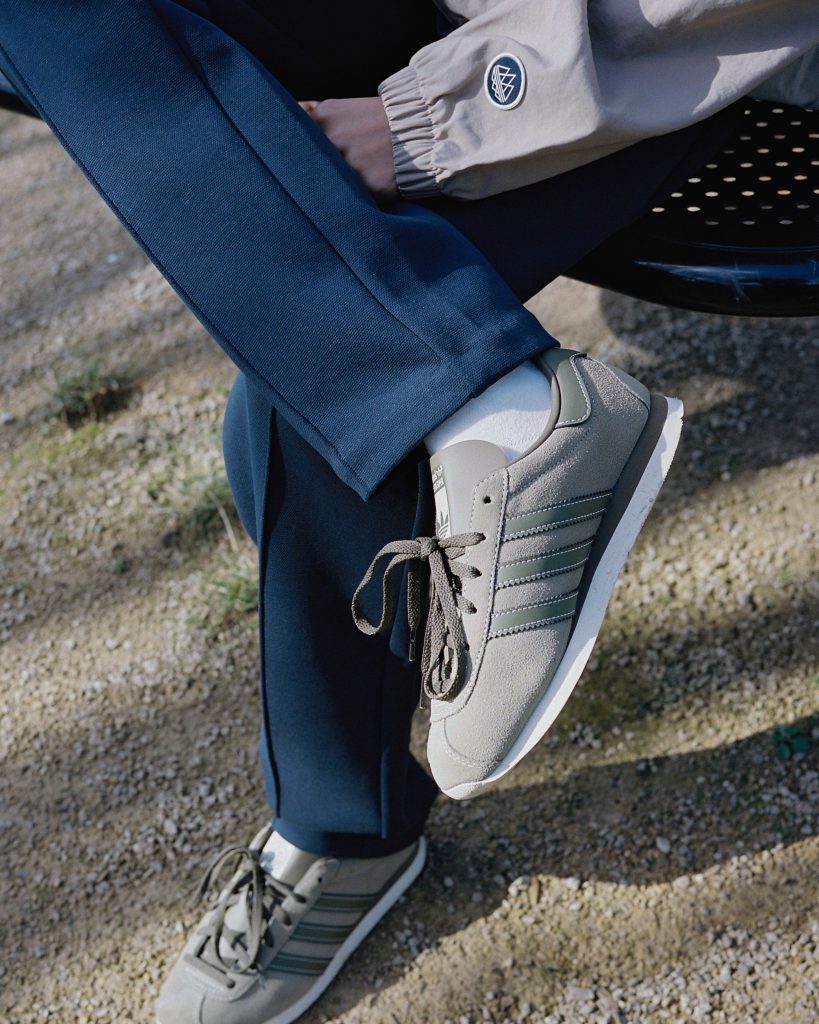
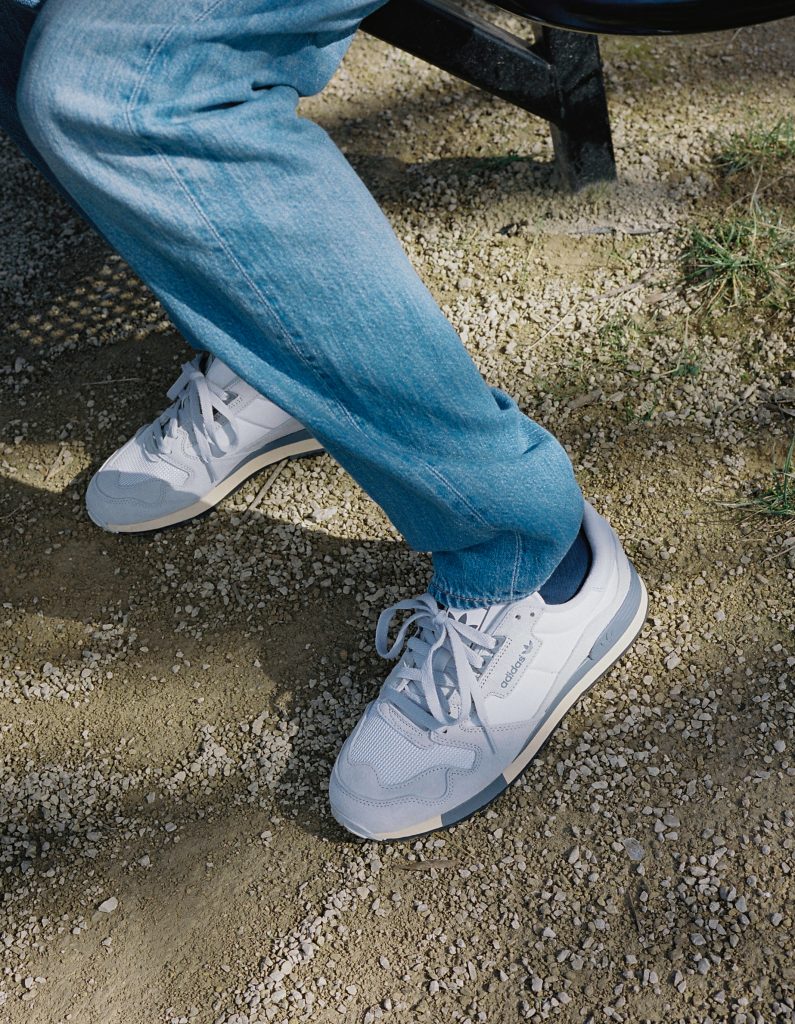
Born in 1972, adapted for now – adidas Originals’ cult model the SL 72 returns from the archives this season. The latest versions are characterised by a lightweight construction using robust nylon with suede and leather details, supported by a cushioned EVA midsole and retro track-inspired outsole.
The adidas Originals SL 72 is online now and available in our Leeds & Manchester stores.


HIP: Four Style Profiles
Our Four Style Profiles at HIP distinguish the clothing genres represented by our roster of labels from around the world. Together, they highlight our tastes and own unique version of modern lifestyle. This is a guide to a selection of key labels sat within each profile, each with fascinating backstories and innovative takes on design.
Streetwear
After taking over major urban cities in the ’90s – deeply intertwined with subculture during the era – streetwear still holds a grasp over city-centric clothing to this day. The roots of streetwear remain – a canvas for labels to tell their own stories and culture. At HIP we stock classic streetwear pioneers alongside the new up-and-coming brands making noise in their own scenes.
Awake NY
New York through and through, community-driven label Awake NY was founded by former Supreme Brand Director Angelo Baque back in 2012. Drawing on the melting-pot of downtown New York and the rich waves of culture Baque grew up with in the ’90s, Awake manages to capture the city’s spirit at every turn. Each collection presents a wide wardrobe of staple graphics, well-tailored cut & sew, and experimental items with a playful look.
Carhartt WIP
Carhartt WIP needs no introduction. Worn by celebrities, skaters, streetwear enthusiasts and virtually everyone in-between, the brand’s workwear-streetwear fusion is the epitome of casual modern lifestyle and an undisputed wardrobe staple. Shining a new light on Carhartt’s workwear origins whilst refining silhouettes and introducing a vast array of subculture-inspired seasonal graphics, Carhartt’s WIP mainstream appeal is unmatched.
C.P Company
Founded in Italy in 1971 by Massimo Osti, C.P. Company was named after the Chester Perry factory where one of Massimo’s favourite comic strip characters worked at in Bristow comic series printed in daily newspapers. Osti has a legacy as the Godfather of Italian sportswear, and rightly so, C.P Company was a vehicle for his vast exploration of military uniforms, soon transforming certain textiles and looks into high-end urban sportswear worn across Europe. Another string to Osti’s bow was revolutionary garment dyeing techniques to evoke chromatic depth, bringing something entirely new to the market. Today the genesis of C.P Company remains, whilst its aesthetic has developed into a distinct mode of minimalist menswear fitting for casual and formal use.

Patta
‘Out of love and necessity rather than profit and novelty’, the Patta story began in 2004 when founders Edson Sabajo and Gee Schmidt combined their obsession of sneakers and records to create a store in Amsterdam. As demand grew, the Patta label was born. Patta truly is more than just a clothing label. Known for its community-driven ethos, commitment to youth culture, and string of meaningful collaborations, Patta inspires cultural crossover. Down to the years the brand has developed a version of streetwear with a functional, urban undertone ideal for city styling.
Stussy
The origins of Stussy are in ’80s California when Shawn Stussy began selling his own handmade surf boards on Laguna Beach. In the early days Shawn travelled to key cities like London, Paris and Tokyo, where he organically discovered people who shared the same tastes in music, fashion, and culture. The so-called “International Stüssy Tribe” spread its message with custom varsity jackets, graphic tees and baseball caps – but most importantly also through a shared lifestyle. Stussy created something new and exciting, moving around the familiar and changing the status quo. Today the brand is the epitome of cool, reverberating around subcultures globally, as each collection causes mass frenzy. The label still has the same laid-back Californian roots – seen by its ultra-aesthetic lookbooks – and offers a host of clean relaxed cuts, workwear-influenced items and staple graphics.
thisisneverthat
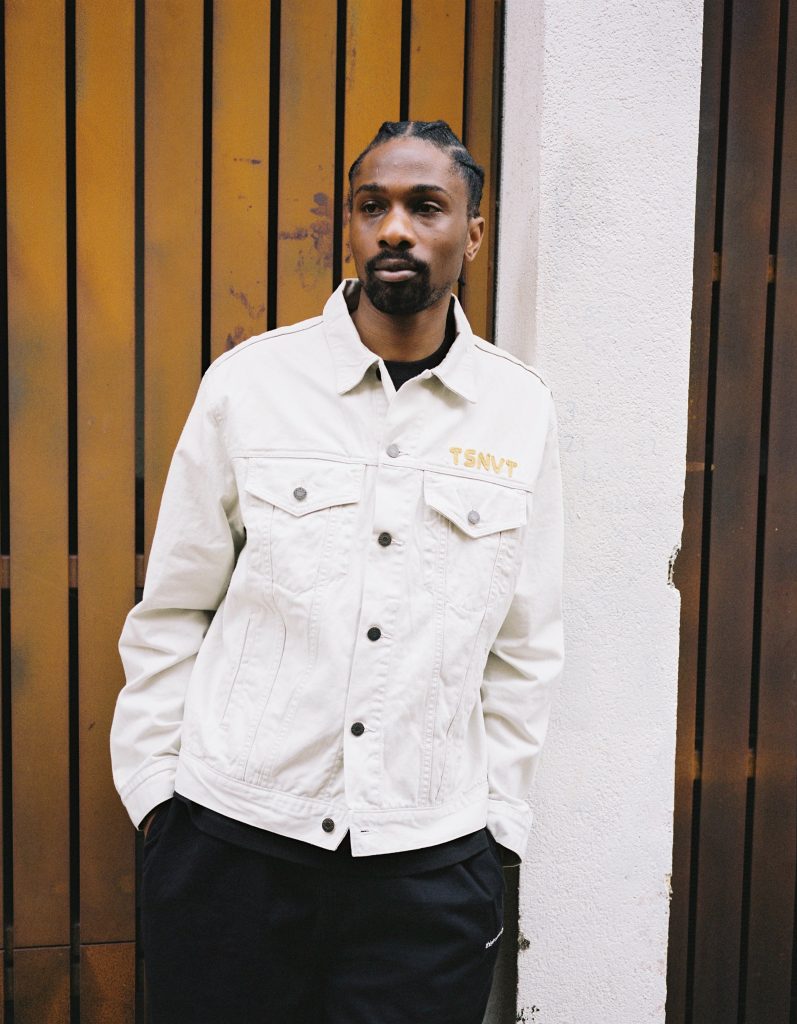
Fresh out of Seoul’s vibrant subcultural scene, thisisneverthat are one of the newest players in the country’s bourgeoning streetwear market, receiving international acclaim in recent years after a string of collaborations with high-profile brands. Co-founded by a group of friends, thisisneverthat takes influence from their collective sprit – how they wear clothes, perceptions on street culture and interests in music, art and skateboarding. The brand’s aesthetic is fluid and contemporary – its collections introduce streetwear staples alongside finely-tailored knits and denim, as well as wearable outerwear and an ever-evolving range of experimental patchworks and jacquards.
Classic
Classic clothing has been one of our core foundations at HIP since we first opened our doors back in 1987. Characterised by tradition and taste, and filled with an abundance of references to historical style themes, we value Classic labels for the rich culture they represent. These brands ignore fads and trends, staying true to their principles to present time-honoured clothing with true cross-generational appeal.
Beams Plus
Beams Plus is a purveyor of timeless menswear, harking back to the glory days of Americana and prep in the 1940’s-60’s. During the post-war era dress codes were defined for various lifestyles. Four main categories developed to become the basis of global fashion thereafter: American trad, workwear, sportswear and military wear. Beams Plus transcends nostalgia, breathing new life into traditional silhouettes with playful charm and the quintessential attention to detail we see from Japanese clothing brands.
Clarks Originals
Clarks Originals was introduced in 1950 to champion simplicity, comfort and classic styles from the rich Clarks archives. Famed for its role in subcultures over the years: rebellious Jamaican rude boys, mid-century Americana film stars and ’90s Britpop – Clarks Originals has a cultural heritage like no other. Accessible, timeless and resistant to any trend, Clarks Originals’ footwear are true staples that will no doubt be a tasteful choice for generations to come.
Noah
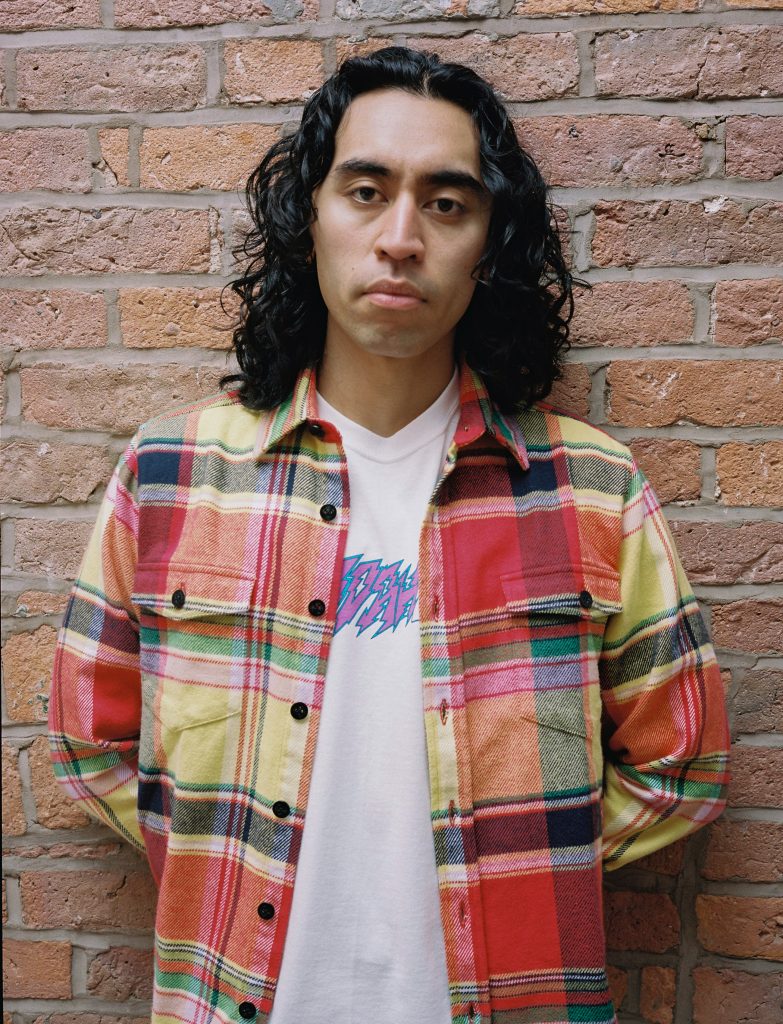
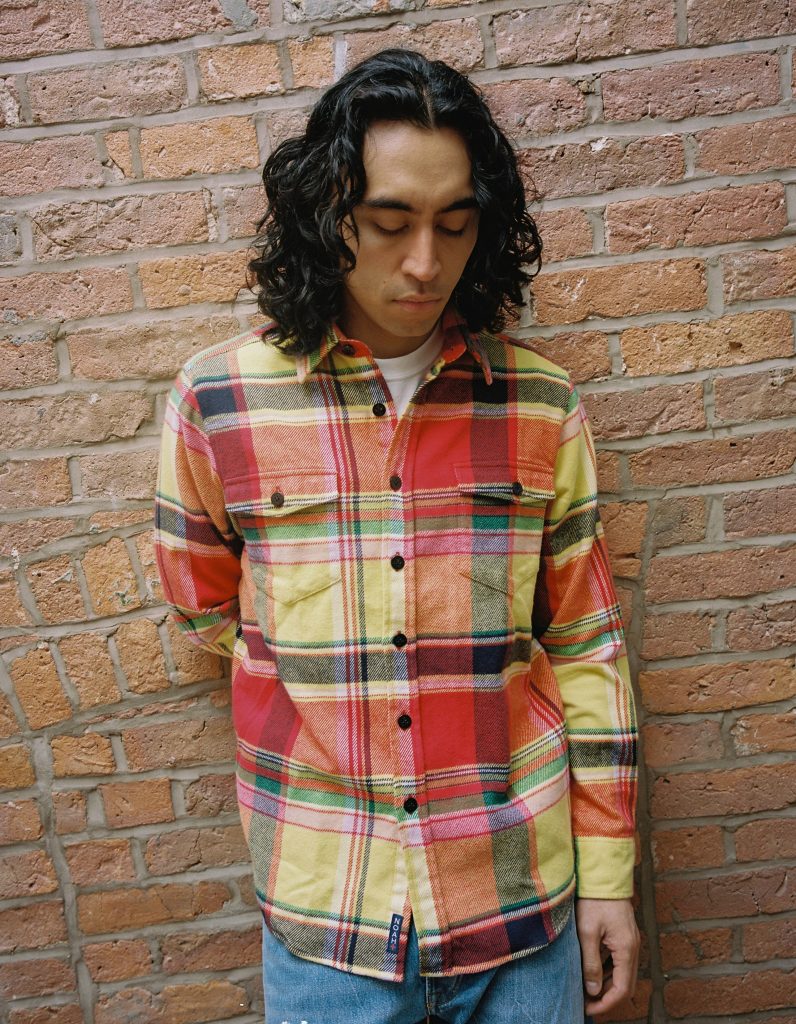
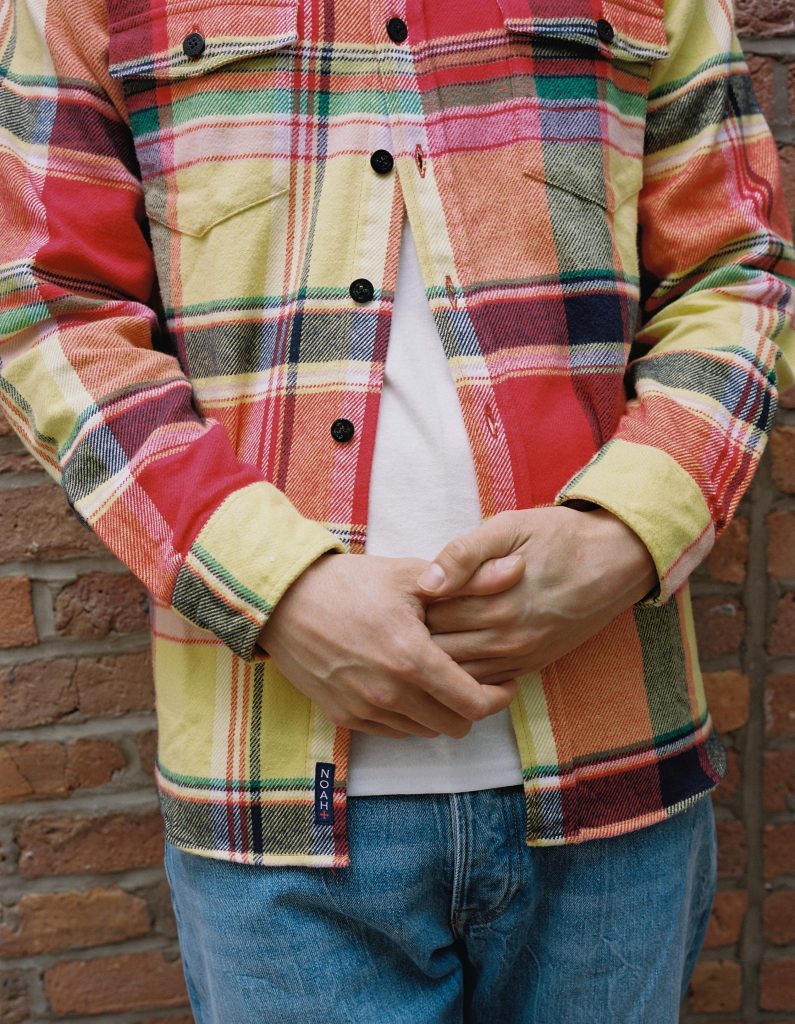
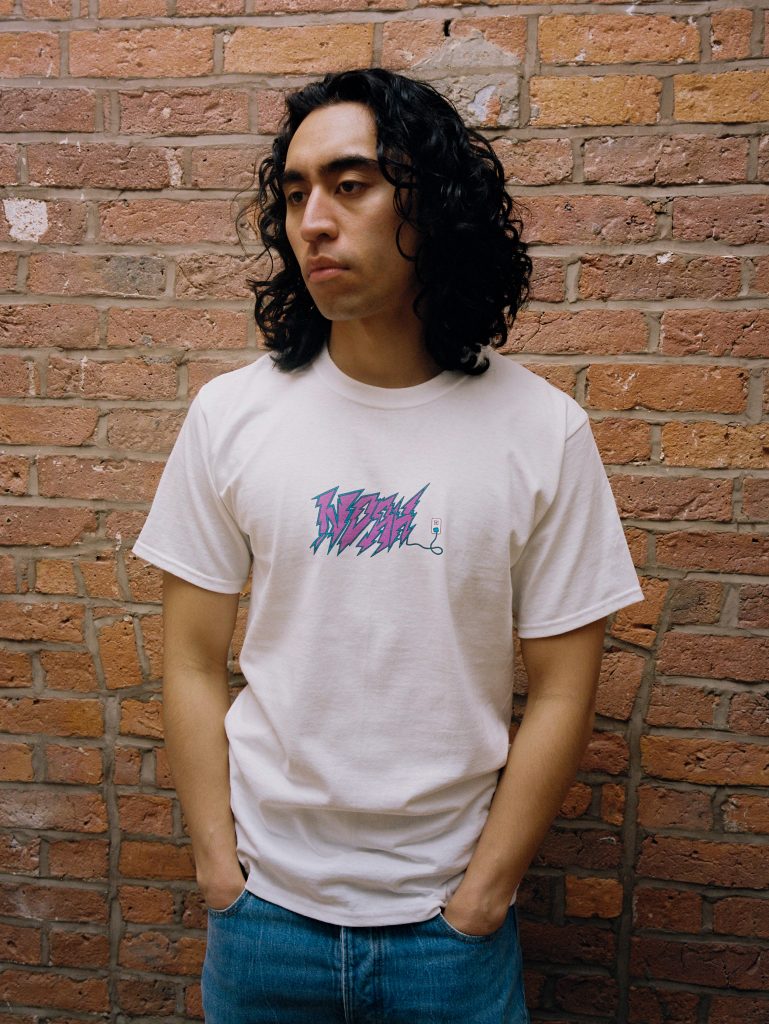
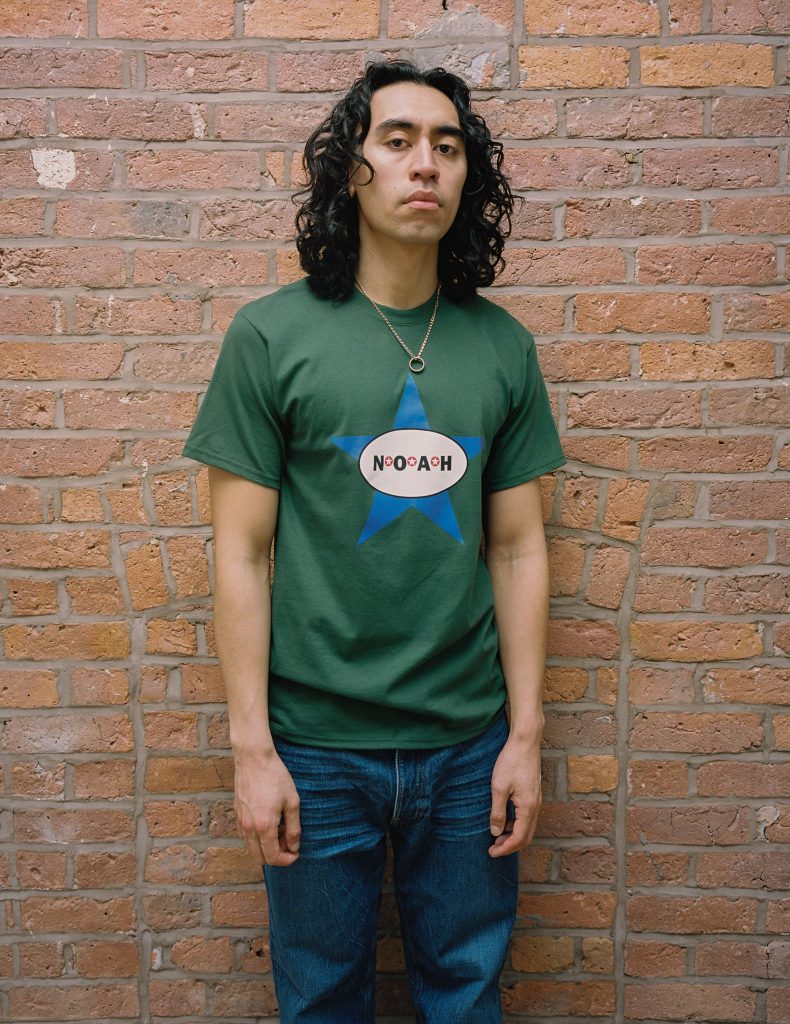
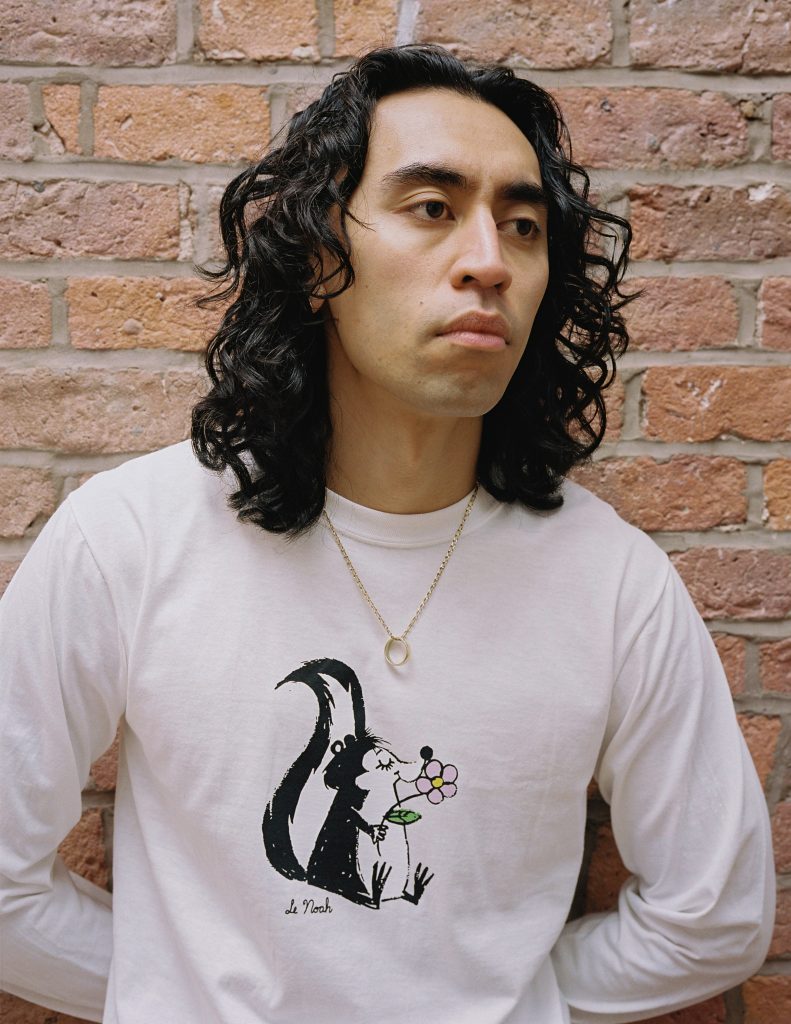
Noah is an American menswear brand founded by former Supreme creative director Brendon Babenzien. Noah allows the New York-native to realise his expansive creative vision, connecting the dots between the subcultures and DIY elements that defined his youth. Noah’s references are cross-generational – uniting interests in skating, surfing, water, the outdoors and music genres from hip-hop to punk rock all under one roof. The label marries a city-centric and active lifestyle aesthetic with classic design features – creating a considered and understated form of menswear. Sourcing high-quality fabrics from around the world, Noah is transparent about production and creates clothing with a conscience. Each collection is wide-ranging, offering casual day-to-day pieces alongside well-tailored, time-honoured silhouettes.

Fred Perry
Fred Perry is one of the most iconic and culturally relevant labels to emerge from Britain. First presented by the Triple Wimbledon winner in 1952, over the years Fred Perry has stayed fixed through style, era and subculture. From the sophisticated leisurewear worn at the Beverley Hills Tennis Club, to adventurous travelling attire, rebellious British subcultures and even famous musicians like Amy Winehouse, Fred Perry has been adopted far and wide. The brand’s enduring Laurel Wreath emblem paints its own picture of British culture with its vast meaning and sentiment.
Drake’s
Drake’s was founded in East London in 1977 by Michael Drake, initially selling luxurious hand-printed silk scarves followed by other tasteful accessories. The essence of Drake’s is quintessentially British but with European influence; a sentiment that underpins its tailoring and casualwear with slightly informal notes which the brand terms ‘Relaxed Elegance’. Drake’s admiration for the glory days of traditional English sportswear means its original customer is still intact. Although the brand has developed a strong reputation in the iconic fashion cities of the world. Drake’s collections are expansive, offering a full wardrobe of timeless goods for all occasions. The label introduces new audiences to a universe of style and impeccable taste.

Polo Ralph Lauren
Polo Ralph Lauren embodies casual elegance. The brand’s rich collection of everyday staples harks back to a vivid Americana lifestyle universe, blending fine workwear, tasteful knits and timeless outerwear – pieces filled with heritage Polo motifs. Avoiding fad and trend, the brand’s aesthetic can effortlessly match with different genres, highlighting why the brand has been fixed in fashion since its launch in 1971.

Nanamica
Nanamica, or “house of the seven seas” has an interesting design language hat bridges the gap between classic Americana and modern performance fabric. Nanamica’s aesthetic is understated: influences from sports, the outdoors and vintage workwear are underpinned by technical fabrics that provide consideration for the rigours of everyday life whilst not compromising on style.
Paraboot
Paraboot’s illustrious history started in late 19th century France, in Izeaux, a small village at the foot of the Alps. Spanning through World Wars and four family generations, the label slowly became one of the most respected shoemakers around. Embedded in the historical background of the French industry, Paraboot created a fine-tuned balance between class and rugged durability – reflected by the brand’s sturdy double-stitched Norwegian welt construction. The label has always had strong cultural connotations. It was embraced in movements like France’s aspirational Bon Chic, Bon Genre (good style, good class) subculture in the ’80s – a post WWII upper-middle lifestyle centred around taste and manners – and was commonly seen in ’30s French thrillers. Paraboot can be styled with all types of pants and socks, commonly suiting preppy styling but fitting with a range of contemporary looks. With history, style and craftmanship behind it, Paraboot is and will always be on the feet of the world’s best dressed.
Tech-Forward Outdoor
The integration of Tech-Forward Outdoor clothing into contemporary fashion has been one of the key narratives in the past decade. Introducing progressive fabric technology and boundary-breaking designs, the genre encourages wearers to step outside and enter on new adventures, whilst offering hybrid functionality across modern urban lifestyle and city-centric styling.
Patagonia
Famous outdoor clothing label Patagonia have a humble origin story inspired by founder Yvon Chouinard’s lifelong love of climbing, a passion stemming from his upbringing in Southern California. Now Patagonia produce wearable, functional, eco-friendly, clothing and accessories used worldwide. Since 1985, Patagonia has pledged 1% of sales to the preservation and restoration of the natural environment as part of the one percent for the planet programme.
Salomon
Born in a sleepy alpine town called Annecy in south-eastern France, Salomon was formed in 1947 by George Salomon and his parents, who came up with the idea to use wood saw blade machinery to make metal edges for skis. Over the years the label diversified and specialised in footwear, supplying outdoor enthusiasts with technical product to battle all terrains and conditions. Aligned to the integration of technical outdoors within fashion, Salomon’s trail running shoes have hit dizzy heights in recent years with key silhouettes like the XT-4, XT-6 and ACS-Pro becoming a must-own in rotations thanks to a lightweight build, technical design and reliable cushioning, all arriving in a variety of vivid colourways each season.

Hoka
Hoka’s name translates to the Maori phrase “to fly over the earth,” – an apt representation of the Californian-based brand’s free-moving ethos. Hoka’s mission is simple: to make people move no matter the conditions and to elevate performance with a host of ultra-modern features. Hoka is unique as it inspires a healthy active lifestyle for all, regardless of age and ability, fitting across running, walking, fitness and the outdoors.
J-LAL
Behind _J.L – A.L_ is the emerging London-based designer Jean-Luc Ambridge Lavelle. His brand is indisputably one of the key developments within avant-garde technical menswear. His imprint began in 2020 during the UK lockdown, after learning a software that creates dynamic, real-life visualisations of garments. Digital technology rapidly evolves Lavelle’s ideas into tangible looks that can continually be developed. The process has given rise to an inventive wardrobe.
ROA
Founded in 2015 – ROA is an outdoors-led Italian footwear and apparel label that carries a vision to translate the latest innovations and experimental techniques into products that cross over both functionality and the avant-garde fashion space. Designed and produced in Italy, ROA work with only the most high-end materials and tech such as Vibram Megagrip outsoles and military spec nylons to produce quality products built to last. Keeping the outdoors at the centre of the brand’s DNA, the name ROA derives from a hiking spot in the Dolomites called Forcella della Roa, which also serves as inspiration for the label’s minimalist mountain shaped logo.
Luxury
Our Luxury edit at HIP showcases up-and-coming labels entering the luxury scene with fresh ideas, aesthetics and versions of craftsmanship, alongside heritage brands that have held deep-rooted admiration in the genre for decades. Explore expressive silhouettes, elevated fabric and rich intricacy; each piece in this curation is filled with meaning and character – items made to cherished for seasons to come.
AFFXWRKS
An ongoing collaborative project – AFFXWRKS is a London-based concept label presented by Kiko Kostadinov, Taro Ray, Stephen Mann and Gimme 5 founder, Michael Kopelman. First beginning as an online radio show – AFFXWRKS is now a forward-thinking clothing output based around the subversive concept of “New Utility”. The tag represents a refined and wearable take on a modern utilitarian wardrobe.
AURALEE
Ryota Iwai launched AURALEE in Tokyo in 2015 after studying fashion design at night school and learning his trade at a knitwear brand during the day. AURALEE has a dual perspective: an advocate of timeless, subtle menswear on one hand, but always willing to push boundaries with silhouette to create a varied contemporary wardrobe. Instead of focusing on a seasonal theme, AURALEE is guided by the nuance of fabric. The brand’s close relations with weavers in Japan and overseas gives rise to one-of-a-kind materials like baby camel and Mongolian cashmere. Applying AURALEE’s exquisite fabric collection to beautifully tailored garments allows Iwai to catch the eye through a subtle but luxurious look.
GR10K
GR10K is an Italian brand operating as a secret collective exploring underground social pockets. Experimenting with a vision of their clothing habits is a scope to recontextualise the meaning of a garment – its true purpose and performance capabilities. GR10K does not make clothing out of novelty. The label uses upcycled fabrics from its parent company – an Italian factory that has been producing uniforms designed for labour intensive industries and the military since 1925. Sitting in-between different genres, the label’s clothing remains wearable for the everyday but is strengthened through strong technical undertones.
Martine Rose
Martine Rose launched her eponymous label in 2007, first offering an ahead of its time mix of high-end sportswear and tailoring. In the past decade the brand’s non-conformist approach and ground-level integration with the subcultures that inspired it, has led to a cult following all across the world. The designer’s work references her Jamaican-British upbringing, as she experienced ’90s and ‘2000s underground subcultures in London and the city’s famous high-low melting pot culture. Rose’s design language subverts familiar codes within menswear, experimenting with exaggerated shapes, textures and deconstructed pieces. Having held shows in traditional community areas like Tottenham and Camden, whilst using clothing for social commentary and to explore topics like masculinity, Martine Rose is one of the most provoking and downright interesting brands out there at the moment.
Nicholas Daley
Nicholas Daley launched his eponymous label in 2015 after graduating from Central Saint Martins. Daley’s upbringing was immersed in music – his parents even ran a reggae night in Scotland. The label brings together music, fashion and art, reconsidering past movements through the medium of clothing. Within Daley’s wider narrative lays powerful ideas about heritage and identity, celebrating his Scottish-Jamaican heritage and exploring wider multiculturalism in Britain. In exploring the intersection between music and style, Daley updates a palette of cultural references with bespoke textiles and artisanal finishes to create a unique contemporary vision.
Engineered Garments
Daiki Suzuki’s Engineered Garments has built a universe of workwear formalism, presenting a considered assortment of reference points throughout the history of American style, yet avoiding imitation with intricate designs. The label’s clothing is built to last, aging beautifully and growing sentiment through personal experiences. EG oscillates between contemporary patterns and classic material choices, breathing new life into traditional silhouettes whilst maintaining a final look that is truly timeless.
4SDESIGNS
Titled after the four seasons we face in each year – 4SDESIGNS was launched in 2020. The brand is spearheaded by El Salvador-born designer Angelo Urrutia, who migrated to New York as a child and has been based in the five boroughs ever since. Urrutia spent his youth skipping school to explore the shops, art galleries, and museums in Manhattan. After working for several labels at the top of the menswear industry, with 4S Urrutia has a glorious vision centred around the romantic practicality of American sportswear, elevated with the skill of made in Italy artisan production. 4SDESIGNS presents the idea of bringing high-end luxury to everyday life, with a rich collection of pieces that veers from the avant-garde to refined and minimal – characterised by small but exquisite touches.