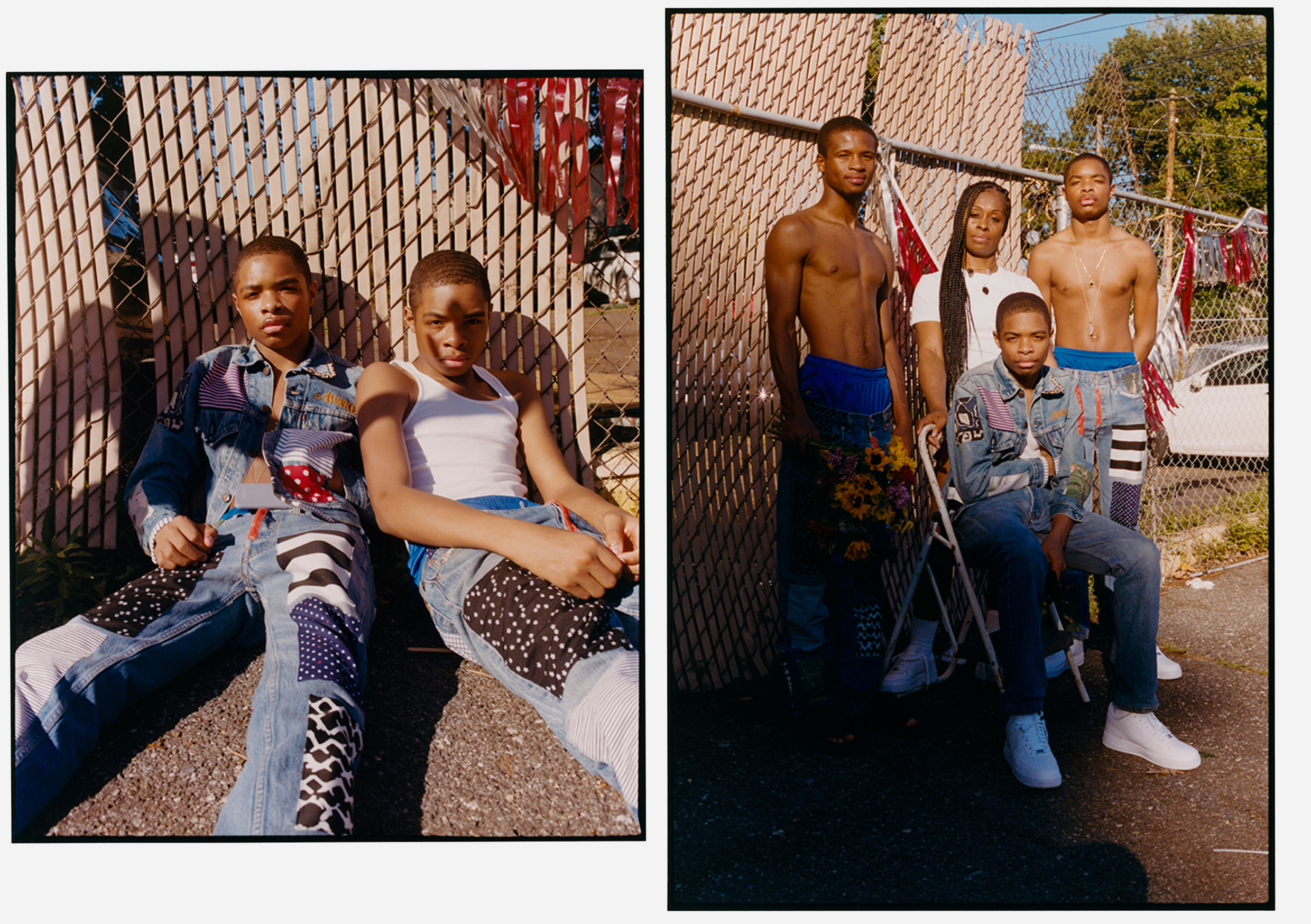
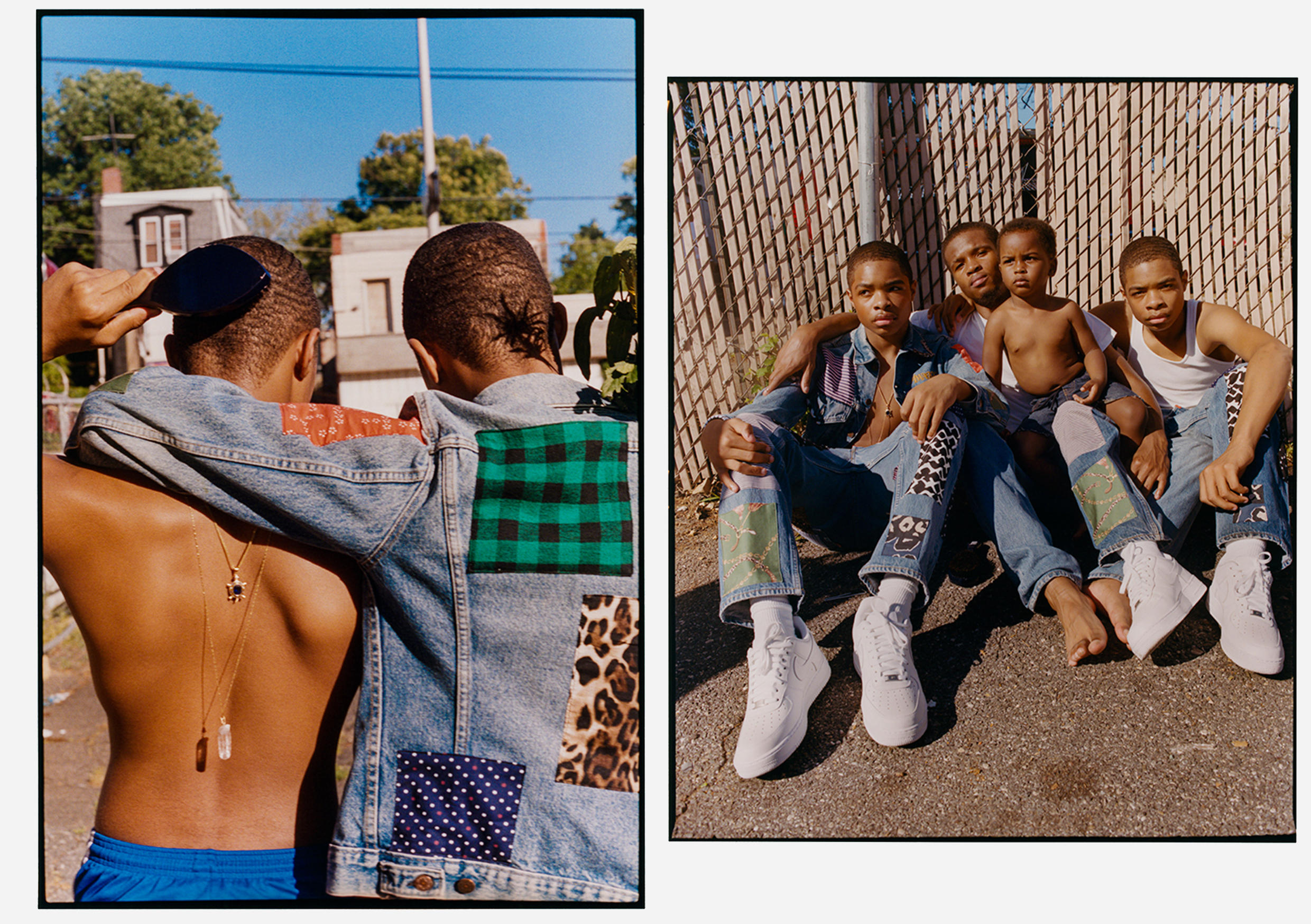
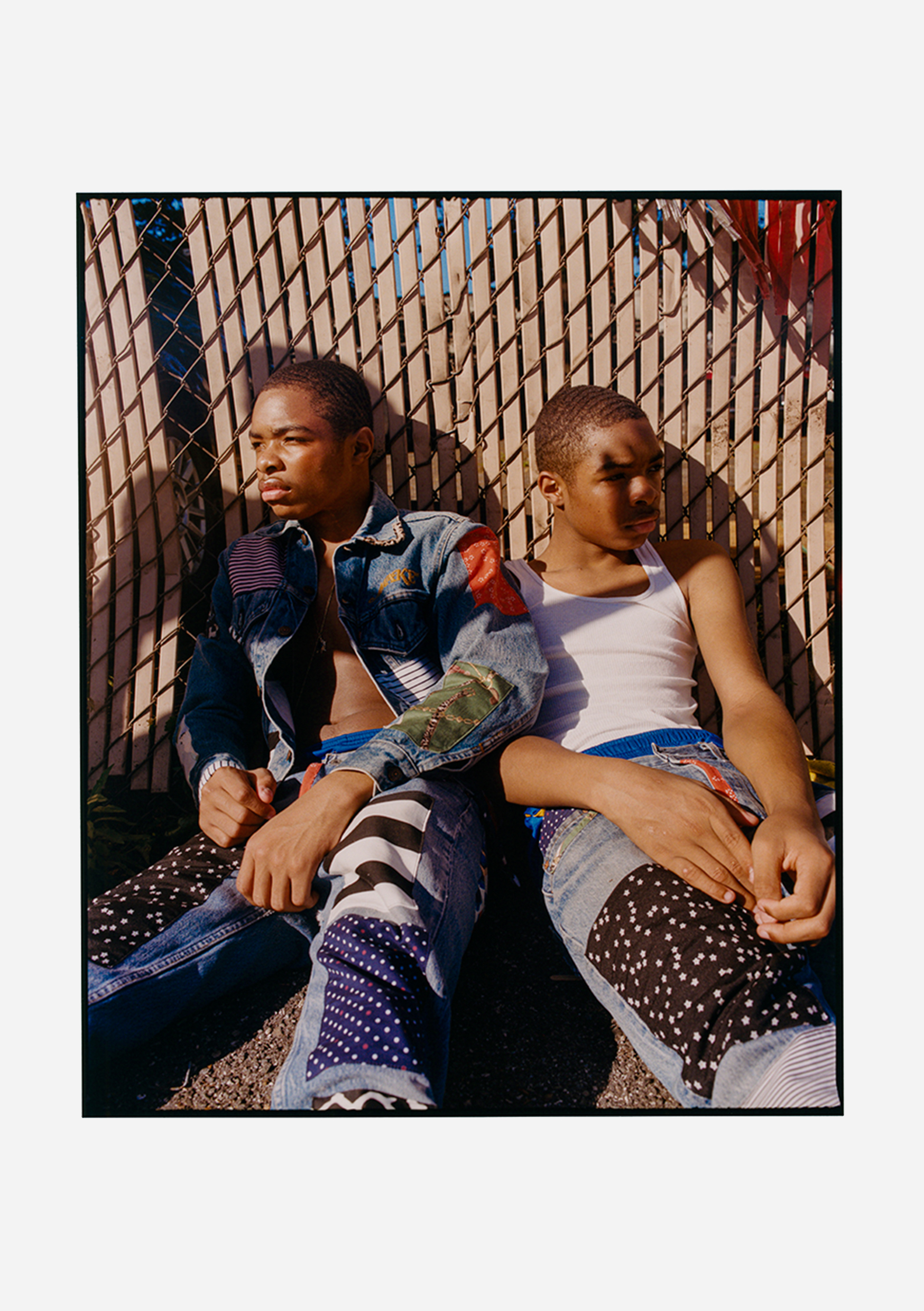
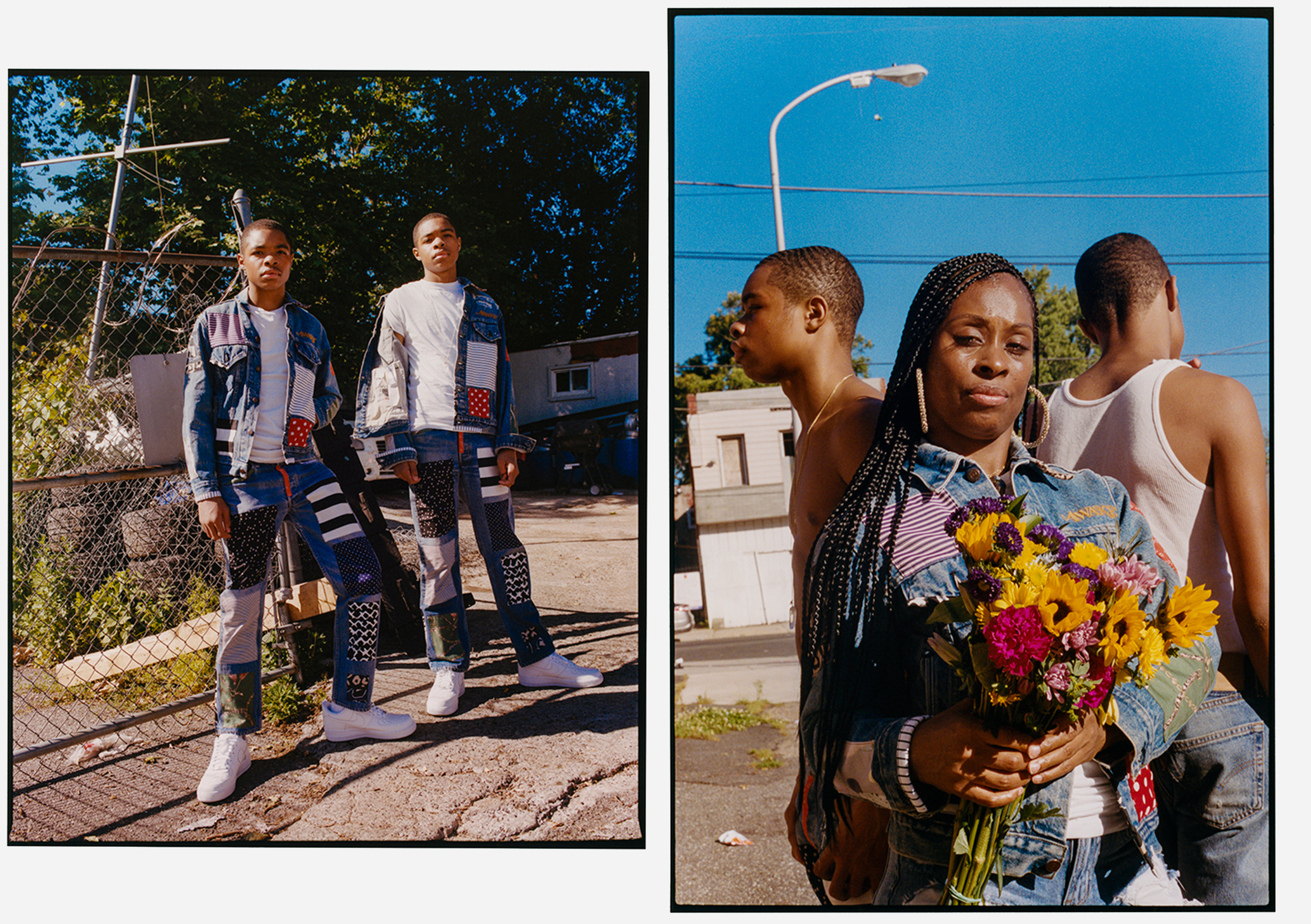
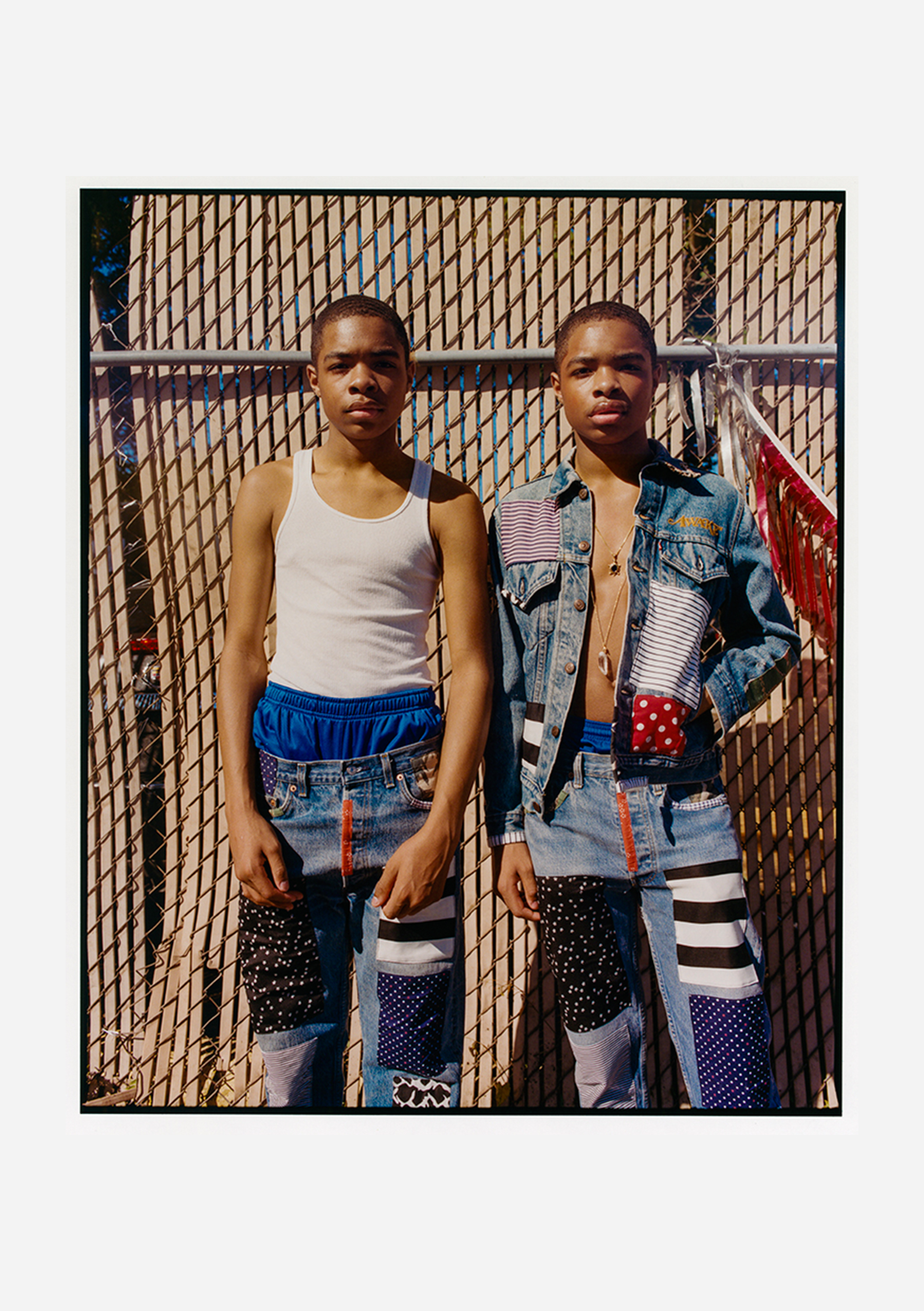
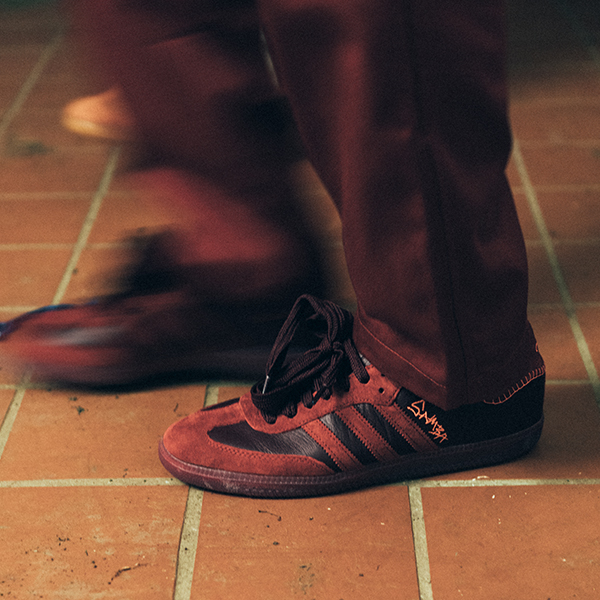
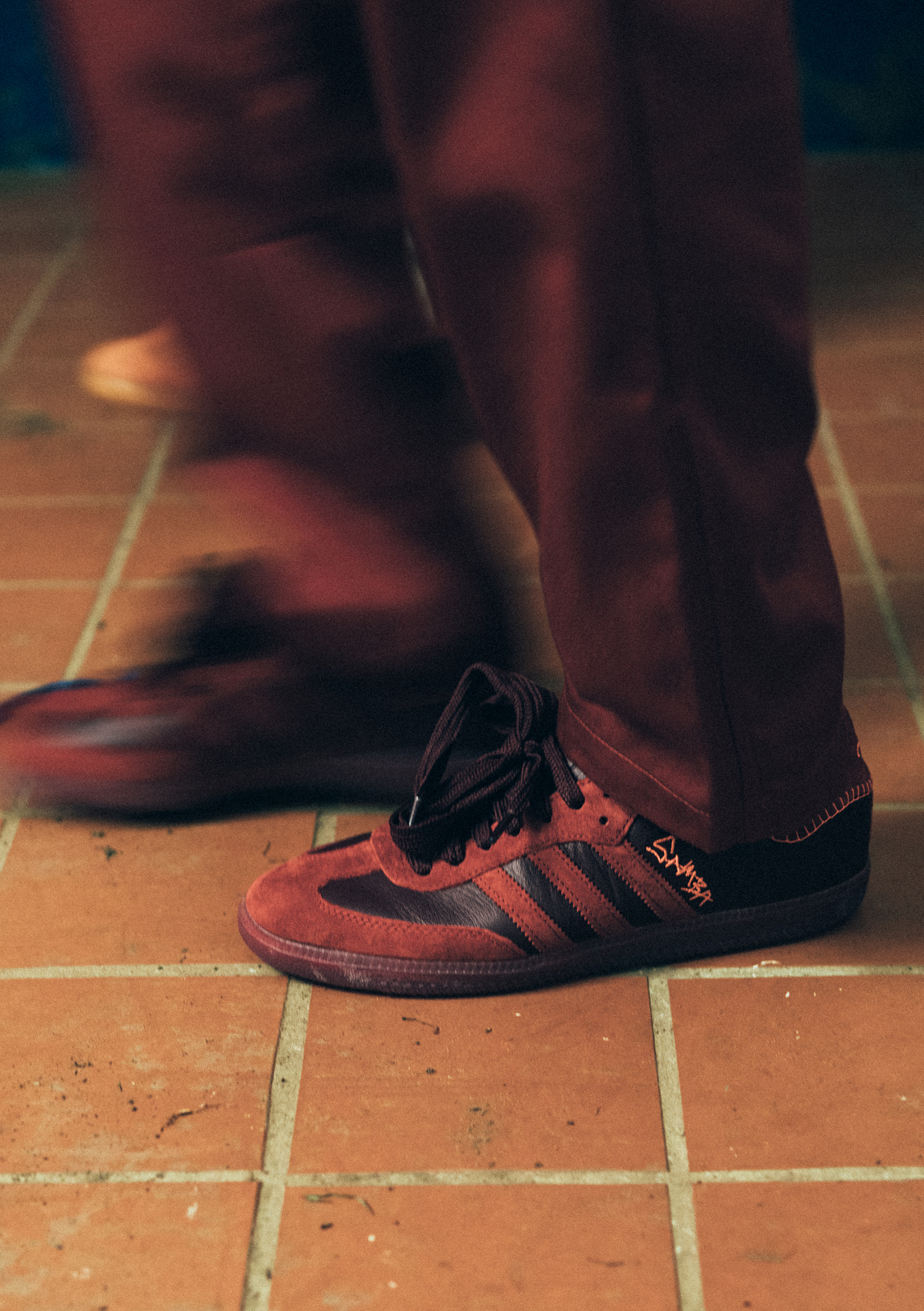
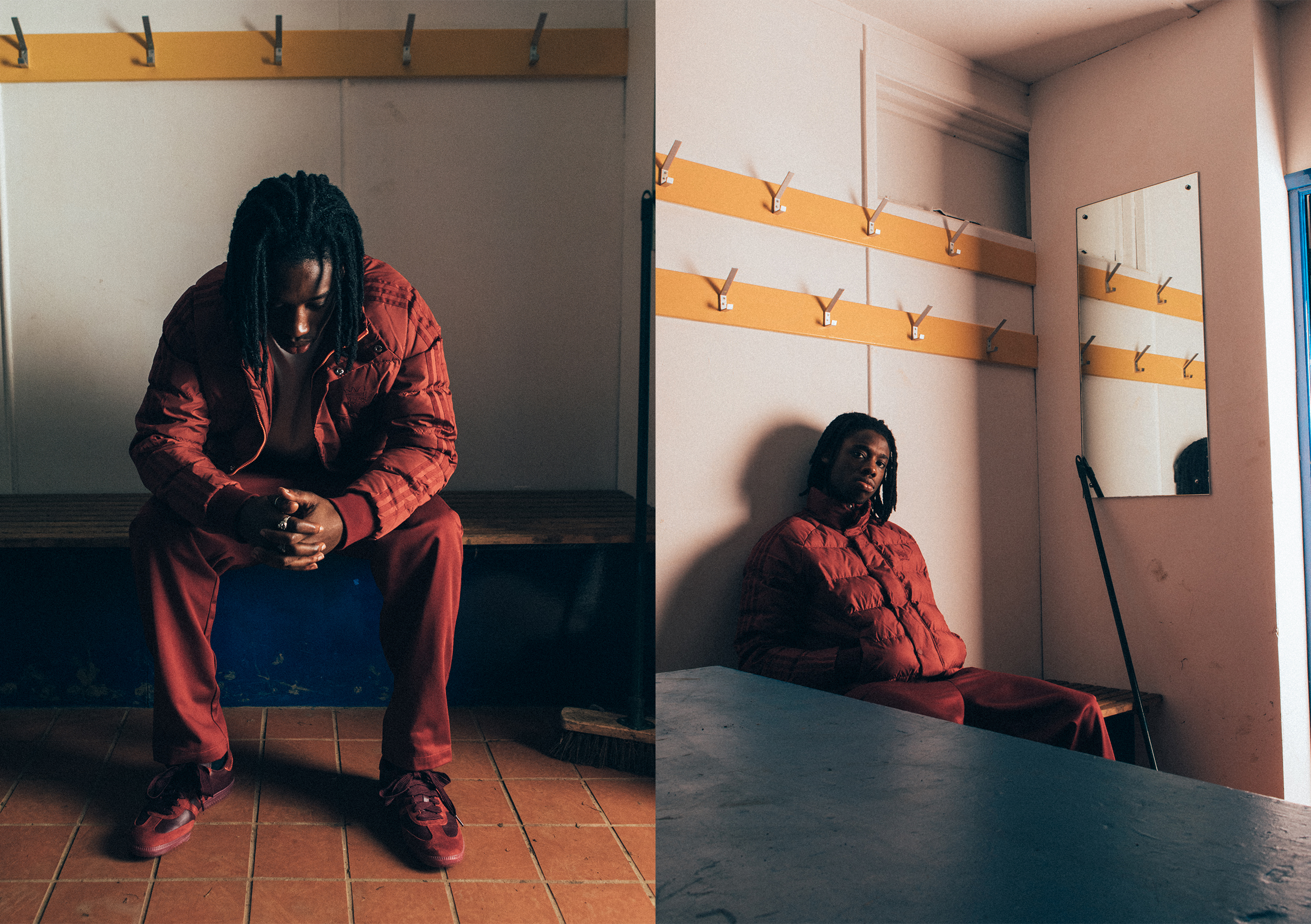
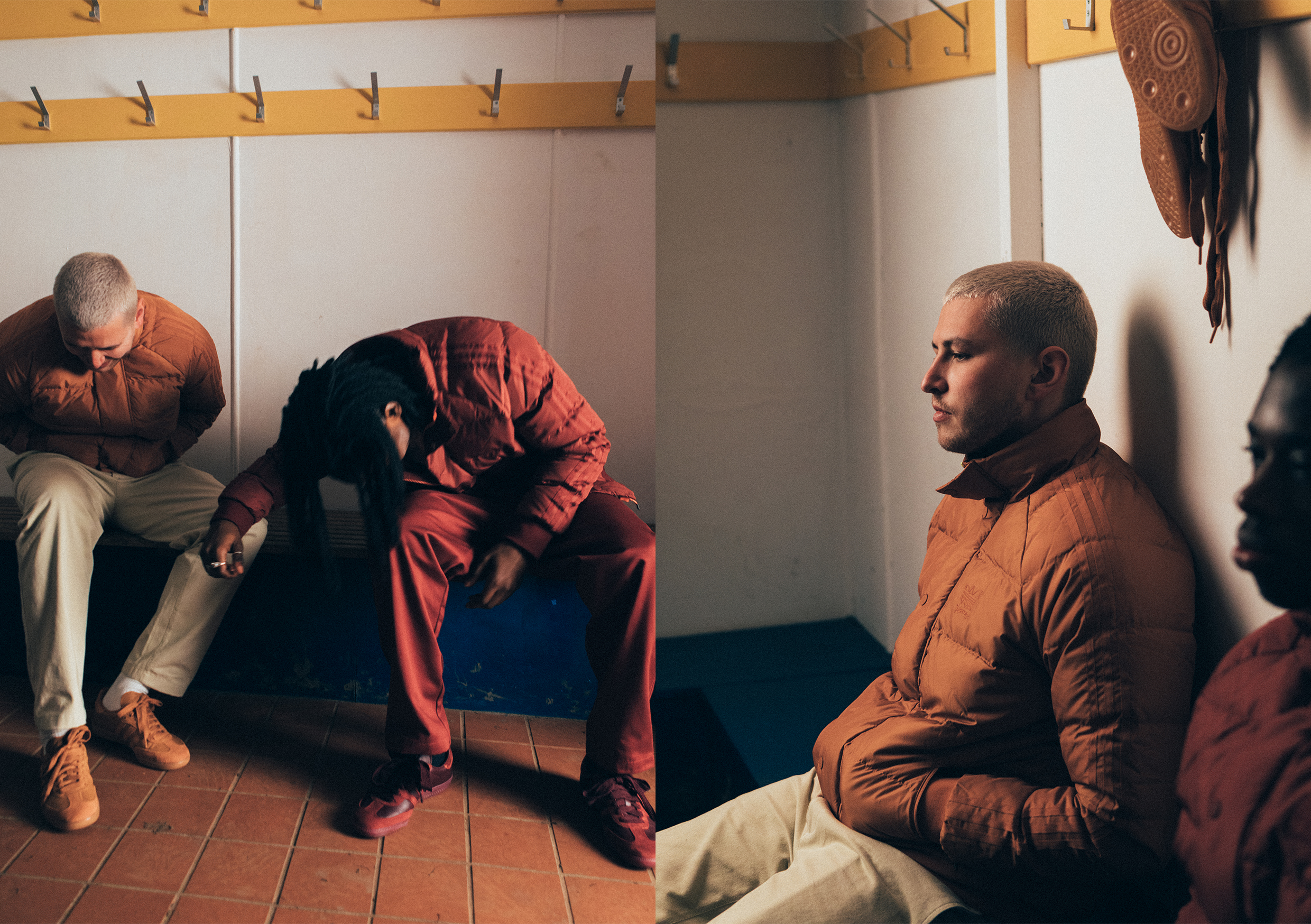
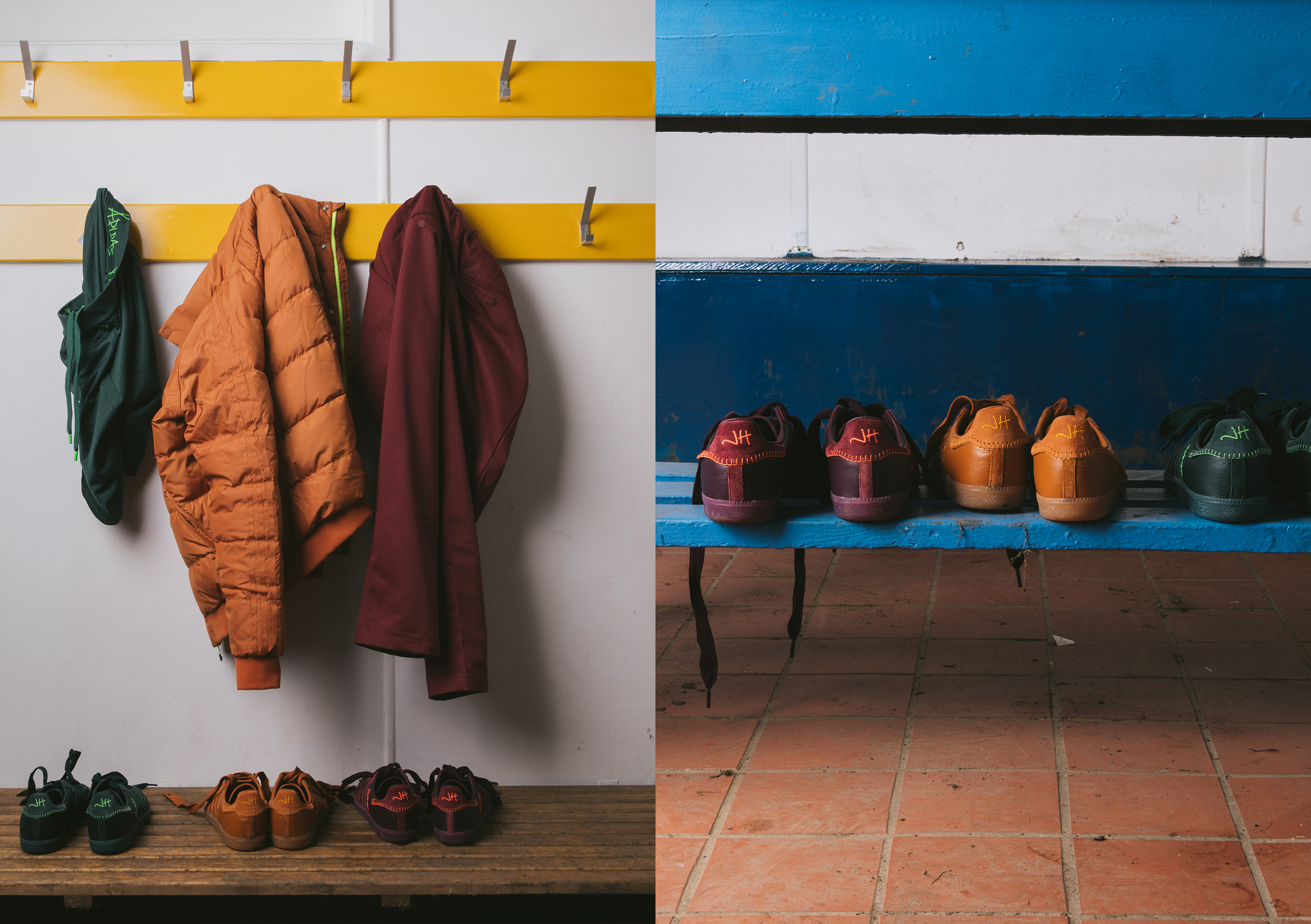
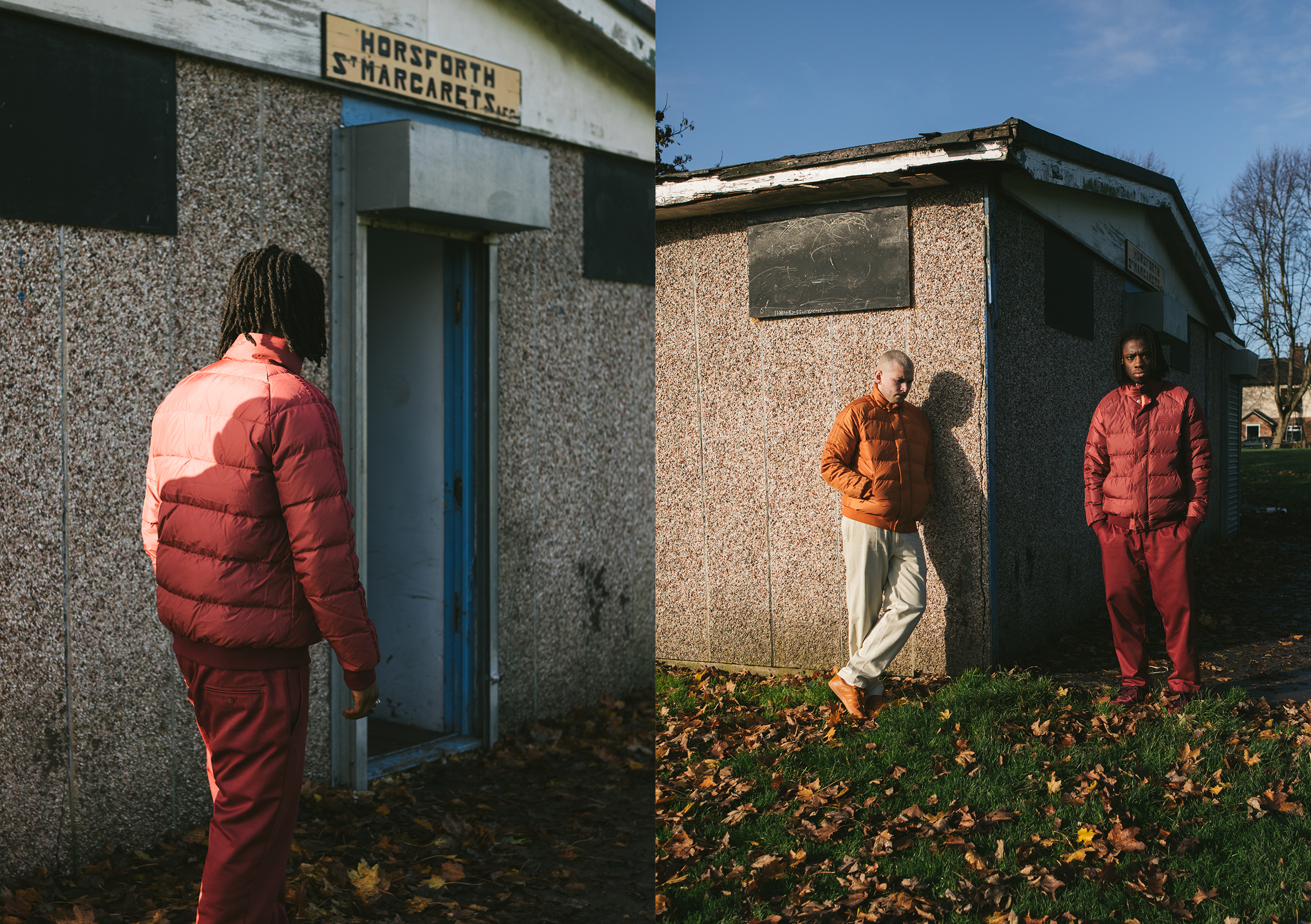
In Discussion With Nicholas Daley For The Nicholas Daley x Fred Perry AW20 Collection

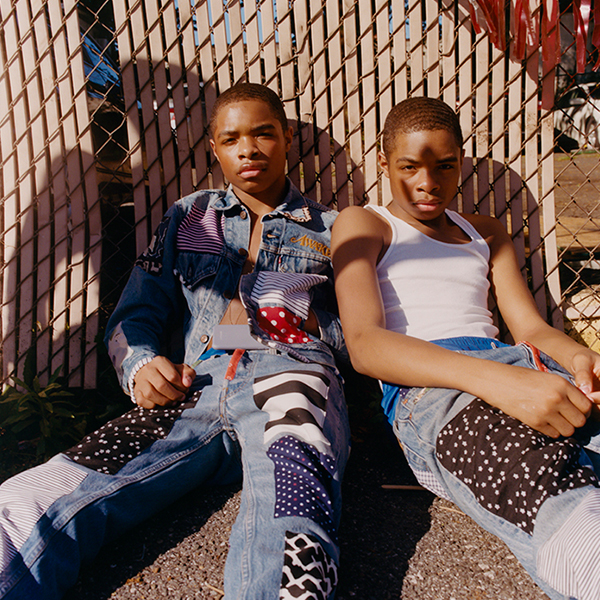
Following on from working together in SS20, this AW20 Fred Perry has joined once again with London based designer Nicholas Daley to create an expansive collection which is based around Fred Perry’s archive and expands into the brands musical heritage alongside the mixture of reggae and punk in his lifetime. HIP sat down with Daley to discuss the collection, growing up around music and first connecting with Fred Perry.
Hi Nicholas, firstly thanks talking to HIP about the collection. Music runs deep in your family roots with your parents creating a reggae club for their immediate community in Scotland, a genre which is a key part of this collection with Fred Perry. Which records do you remember being the soundtrack to your youth growing up?
Yeah, I think for me, music plays a part an integral part in my life, and I think, it’s something which my parents, exposed me to, with lots of different sounds early on, whilst I was growing up. I was born in the Midlands in Leicester, but my parents met in Scotland and that’s where they ran the reggae club from 1978 to 82. So during that time my dad got a lot of Trojan records and white labels, they used to put on a lot of root British reggae bands, like Aswad and Musical Youth, they were definitely about bringing people together through music and it wasn’t really a massive financial thing for them, they just sort of ran the club because they wanted to, and they felt there wasn’t that type of music being appreciated or being played enough in and around Scotland at that time. All those records and vinyls, my dad kept hold of and he’d be playing them a lot in our house. My mum, was really into folk like Bob Dylan, Joni Mitchell and Leonard Cohen and all these type of guys. So yeah, I definitely had quite a nice diverse, rich kind of musical upbringing. And then I guess then my own taste, from either older hip hop – I used to listen to a lot, like – Tribe Called Quest and things like that. And then right through to the more indie rock stuff, people like Placebo, Radiohead, etc. It definitely came through in some of my work and I think that’s why the Fred Perry collaborations work so well from a garment perspective, but also from a storytelling side. Fred has been an integral part of British sub culture and their support with music. So I definitely feel like that kind of sub cultural narrative, if something very important to my brand’s DNA and also important to Fred’s.

Tell us about your relationship with Fred Perry, how did you both first connect? From an outsider’s perspective the UK heritage and shared interest in British manufacturing is an instant link.
Well I used to work for Nigel Cabourn and they did a Perry Collab while I was there. So I met a lot of the team in my previous work, which was really great. And then also just lots of different little ways really that were sort of connecting with Fred. My girlfriend Nubia, she’s a DJ producer, like radio presenter. She also did some stuff with Fred I’ve been to some of their subculture nights as well. I also met some of their team, whilst I was working at Dover Street, before we started my brand. I worked there when I was still at St. Martins and then when I graduated as just as a retail sales assistant. The Fred Perry relationship was kind of built through various different connections, and even down to Don letts, I kind of met Don through Fred Perry and then we shot him in some of my stuff. He’s played and DJ’d at the last Fred Perry event last year, it’s just like lots of different avenues, I think that’s always a good sign whenever you’re doing a collaboration, they organically snowball and conversations are made, and then eventually it kind of comes to a point where you think, let’s make this happen. The product is really important, but also at the same time, they’ve be really supportive of all the creative assets and doing the hundred club party and everything we’ve done in and around the projects, they’ve always been really supportive.

The collection riffs on the connections between both punk and reggae, two subcultures that both have deep roots in the British landscape, what are the key connections you would like to highlight that others may not initially see across the two genres?
I think for me, it’s just about rebellion in it really – it’s just like reggae is just there to be loud and the same with punk music, so very antiestablishment. So I think that’s probably the biggest connection between, the two kinds of musical genres. I’ve been lucky enough to speak to the Elders, like Don Letts, Dennis Preval. So I’ve been like really listening to their stories, even my parents, they went to the rock against racism events across in London. Where they had both reggae and punk/rock acts playing all under the same bill. So it’s something which I’ve always been really interested about and this kind of interchange between different movements. They’re all kind of coming from the same kind of place – basically kind of what I say is like one tree different branches. Then for the research, I just looked at icons, like John Lydon – I really liked the stuff he did after the sex pistols with Public Image. I think that stuff’s really, really cool – and all the soundscapes, it’s a lot more bassier and dubbier, kind of definitely those dub reggae influences in there. And then looking at photographers like Dennis Morris, who did a lot of stuff with Sid Vicious and the Sex Pistols. His imagery is always really, really great to look at. He did the pill book as well, which was really cool. A lot of those Bob Marley’s shots you see are Dennis’, so his stuff is always great to look. Then also, just looking at people more, my contemporaries – Obongjayar, who’s wearing the collection, he’s definitely an artist who I feel is blending, his Nigerian influence with the British subcultures with reggae and dub or punk all this different stuff. And that’s why I kinda asked him if he’d be up for wearing the collection. Cause I feel like he fuses lots of different elements for our generation. So that’s kind of where all the inspiration came from really and kind of how I’ve been exploring these 2 musical genres, and how I picked the characters, which I think sort of celebrated it.

For the design process, how was it diving into the archives of Fred Perry and being lucky enough to re-work silhouettes that have been British staples for decades?
Whenever I’m doing these collabs, myself and the team will go into the Fred office and we’ll have a look through their archive and see what styles we like, or particularly embroidery or stitching or colourways and we both knew that checks and tartans would be something, well I wanted to push, more on this for this season. So we kind of developed that with the team and we did it in like a towelling. We did some socks as well, which were quite fun. So definitely had that tartans story in there – with my mother from Scotland and my parents lived there running the reggae club as a nice, ancestral kind of connection. And then right down to the classic pique polos – playing around with colours and then we did our heavy down jacket with this two-tone nylon fabric, which is really great to do such a sort of strong outerwear piece. The football scarf was quite fun as well, I like doing these little accessories that was in tartan and plaid. We had illustrator Gaurab Thakali, who I’ve collaborated with on quite a few seasons now, he did some bespoke artwork, which then was embroidered on the scarf and the socks. We also did a little zip knit, which was nice in the navy and ecru. So yeah, this is definitely the biggest collab we’ve done together. So there’s a nice mixture of different techniques and elements. But it all starts from going into their office and a hunt for things which I’m inspired by, and chat to their team about what they also feel would be really strong to look at too. So yeah, again, another quite organic process, which is good. I just spent a whole day just sitting there just in their room, just digging away, it doesn’t sound like everyone’s cup of tea, but for me that’s always a fun day in my schedule – I’m normally looking at spreadsheets so a nice break from that.

Your rise through Central St Martins has been well documented and is inspirational for UK based students looking to get their own start or brand in the industry, do you have any advice for young people who are looking to follow your path?
I think ultimately, you just really need to believe this is what you want to do, I’ve kind of sacrificed a lot of time and energy to grow the brand and I’ve been doing it really slowly. I had some time with Nigel Cabourn, which was really great to kind of see how a men’s wear brand works and all the ins and outs. So I definitely think preparation is really crucial, like with anything in life, really just knowing what you’re getting yourself into. But also you’ve got to have a story and a narrative, which you feel strongly about because ultimately not everyone’s going to like your work, but everyone’s gonna understand it, but as long as you believe in it, and it’s kind of what you want to say, then that’s obviously really, really important and especially think now in the climate we’re in with the cultural changes. So you have to be thinking now, especially you have to be diversified and get as many skill sets and different things which you’re interested in because we’re definitely in a new world in terms of how we can operate. but nothing’s impossible, it’s all down to hard work. And I think that’s what I kind of learned from my parents – my mum, she grew up sleeping on a couch to stay in Dundee. And my dad basically lived in the mountains in Jamaica and they both had basically nothing. They’ve sort of made their lives better and obviously for me and my sister, and then I was able to do what I wanted to do, but I think that kind of work ethic, is probably the main thing you need, if you’re gonna sort of push on and kind of get on within the design world, cause it is very competitive and it is very hard and there’s a lot of time and hours you’ll need to put in, if you want to start your own brand. but you know, that’s kind of something which I feel anyone who wants to, they just need to think about all those things and obviously have a financial plan as well. Which always needs to be, considered, but yeah, hard work, perseverance and a good narrative with a good vision, I think is the backbone to it though.
The Nicholas Daley x Fred Perry AW20 Collection is online now.

HIP & Norse Projects Present: AW20 Illustrated Lookbook
This AW20, HIP has joined with local Leeds-based artist and friend of the store Josh Parkin to illustrate key pieces from Norse Projects AW20 collection offering in Josh’s unique and recognizable hand-style. With a quirky and a warming approach to his characters, Josh creates hand-illustrated work with ink on paper from his Yorkshire based studio which is then digitally scanned to bring each persona to life. Go-to Winter staples from the Norse Projects AW20 collection are depicted in the lookbook and include HIP favourites such as the Willum Down Jacket, Anton Brushed Flannel Shirt, Aros Heavy Chino, and many more.
The lookbook also demonstrates how HIP enjoy styling Norse Projects and the versatility of the AW20 collection, with each outfit seamlessly merging with footwear from adidas Originals, New Balance, Dr. Martens and Red Wing. Alongside the model characters, Josh has also sketched close ups of featured Norse products, highlighting finer details within the craft of each piece.
Shop the Norse Projects AW20 collection at HIP online now.

Svalbard GORE-TEX Infinium Coat, Anton Oxford Shirt, Adam Lambswool Cardigan and Red Wing 6 Inch Moc Toe Boot
Unpacking The History Of Snow Peak

As the popularity of the functional outdoors lifestyle continues to rise, Snow Peak has remained a firm favourite within the team at HIP. We decided to take a deep dive into the detailed story of the mainstay Japanese brand and unpack some of the history that has kept Snow Peak as leaders for decades.
To some, Snow Peak may seem like a newcomer on the scene, like they jumped on the technical clothing bandwagon, but that couldn’t be any further from the reality of how their journey began. Their product line consists of but is not limited to, camping equipment such as tents and hardware accessories, such as mugs, cutlery and camping lights, which are most recognizable for their minimalist and functional design language and innovative use of technology. In addition, they operate a thriving apparel line that covers outerwear, bottoms and tops.

Founded back in 1958 by an experienced Japanese mountaineer, Yukio Yamai, who wasn’t satisfied with the quality of camping gear he had access to – this began the lengthy and generational history of Snow Peak. Yukio first started his business of making mountain gear in a small village called Sanjo City, Niigata Prefecture, and called the company Yamai Shoten. It’s no coincidence this was a year after Yvon Chouinard started Chouinard Equipment LTD. – Patagonia’s predecessor and now one of the largest outdoors brands on the planet. Yukio’s experience as a young climber, hiker and avid mountaineer bolstered his passion for Snow Peak and this still runs through the lifeblood of the label. Some of the first items designed and made were pitons and crampons made from titanium and stainless steel, as well as tailor-made climbing apparel. Like many brands, it is one born out of necessity rather than want and as a result, the level of craftsmanship is above-and-beyond that of its rivals.
Thanks to an abundance of highly-skilled craftspeople in Yukio’s hometown of Tsubame Sanjo – an area known for its fine metalwork – he was able to design innovative equipment that simply wasn’t available in the Japanese market. The vast majority of their camping accessories are made using titanium, a metal that is notorious for being the most difficult to work with. These individuals know titanium better than anyone else on earth, from their understanding of the meticulous manufacturing process to decades of experience and intuition that detects the slightest of faults in the product. With this in mind, we begin to understand a deeper connection that Snow Peak shares with its fruit.

In 1980, Snow Peak entered a new chapter in its 22-year lifeline. Yukio Yamai’s son, Tohru, began to lead the brand and would go on to bring international recognition to the outdoors equipment label. With this increased status on a global level, Snow Peak reached newfound heights and would encourage people to find inspiration in nature and the outdoors. It was also during this time that Snow Peak generated a movement within Japan of ‘car camping’ which brought style and comfortable camping to the forefront of Japanese culture. This kind of innovation is something that Snow Peak has become synonymous with.
In the lead up to the Millenium (1999), Snow Peak would make a move overseas to tackle the largest outdoors market on the planet, one dominated by a familiar namesake, Patagonia. The United States of America is a nation of camping, hiking and mountaineering enthusiasts so while this was a bold move for the Japanese brand, it was an inevitable point in their journey. They began distributing out of a garage in Gresham, Oregon, and over the course of the next two decades opened two stores, one in Portland, Oregon, and the other in Soho, New York City. While Snow Peak had already earnt a stern reputation for their ultra-lightweight titanium camping products, as well as car camping, apparel, home and lifestyle goods, there was still room for growth over the next chapter.

Three-generations later, Yukio’s granddaughter, Lisa Yamai, is now president of Snow Peak Japan and was the driving force behind launching the brand’s apparel line in 2014. The initial aim of the said line was, ‘creating functional and stylish clothing which intersects both urban use and outdoor life.’ Snow Peak Apparel is best described as ‘functional outdoors clothing’ that is inherently Japanese and wildly inspired by the brands DNA. It brings together everything from workwear to traditional Japanese garments, to technical apparel and outdoor clothing. Lisa now works alongside a team of high-skilled designers to create two collections a year – Spring/Summer and Autumn/Winter – both of which have their individual focuses. For example, the Spring/Summer season often features garments constructed using lightweight and breathable materials, whereas the colder seasons see a shift towards warm and insulating technologies. There are some silhouettes that have been prevalent since the beginning and continue to be mainstays in each collection, such as the Takibi Coverall Jacket and other technically-inspired pieces of outerwear, like their Poncho and Trench Coat. Lisa is passionate about made-in-Japan manufacturing and prioritizes that wherever she can.
One part of the thriving apparel line is some of the collaborations that come with it, such as those with New Balance’s Toyko Design Studio and Danner. While still relatively new in their relationship, Snow Peak’s work with New Balance TDS offers footwear and apparel on a seasonal rotation, often drawing from fishing and technical clothing whilst exposing the brand to new audiences. For example, this seasons ‘TDS Niobium Concept 1 is an all-terrain style boot that embodies the nature-driven ethos of the Japanese label. The model is entirely function-driven with a detachable upper, weather-resistant toe box and an ABZORB midsole for comfort and durability and can be worn in the city or the great outdoors.

In October 2019, Snow Peak opened its European flagship store in St James Street, London. The store, nestled amongst St James’ Market, spans across three stories – one housing a tea and coffee bar, another functions as space for employees to demonstrate the applications of their product and the main floor is for retail purposes. The inside is rustic yet contemporary thanks to a combination of wooden interior and steel fixtures; tents and fire pits sit alongside technical jackets and Japanese kimonos.
Their Autumn/Winter ‘20 collection is one that seeks to blend workwear silhouettes and traditional Japanese garments with technical fabrics, modern cuts and updated construction. With each passing season, their offering expands to welcome new additions like nylon luggage pieces and patterned knitwear. As a purveyor of expertly-crafted apparel, footwear and accessories, it is no wonder Snow Peak is part of HIP’s well-curated arsenal.
Shop the latest from Snow Peak at HIP online now.
Words by eye_C mag.

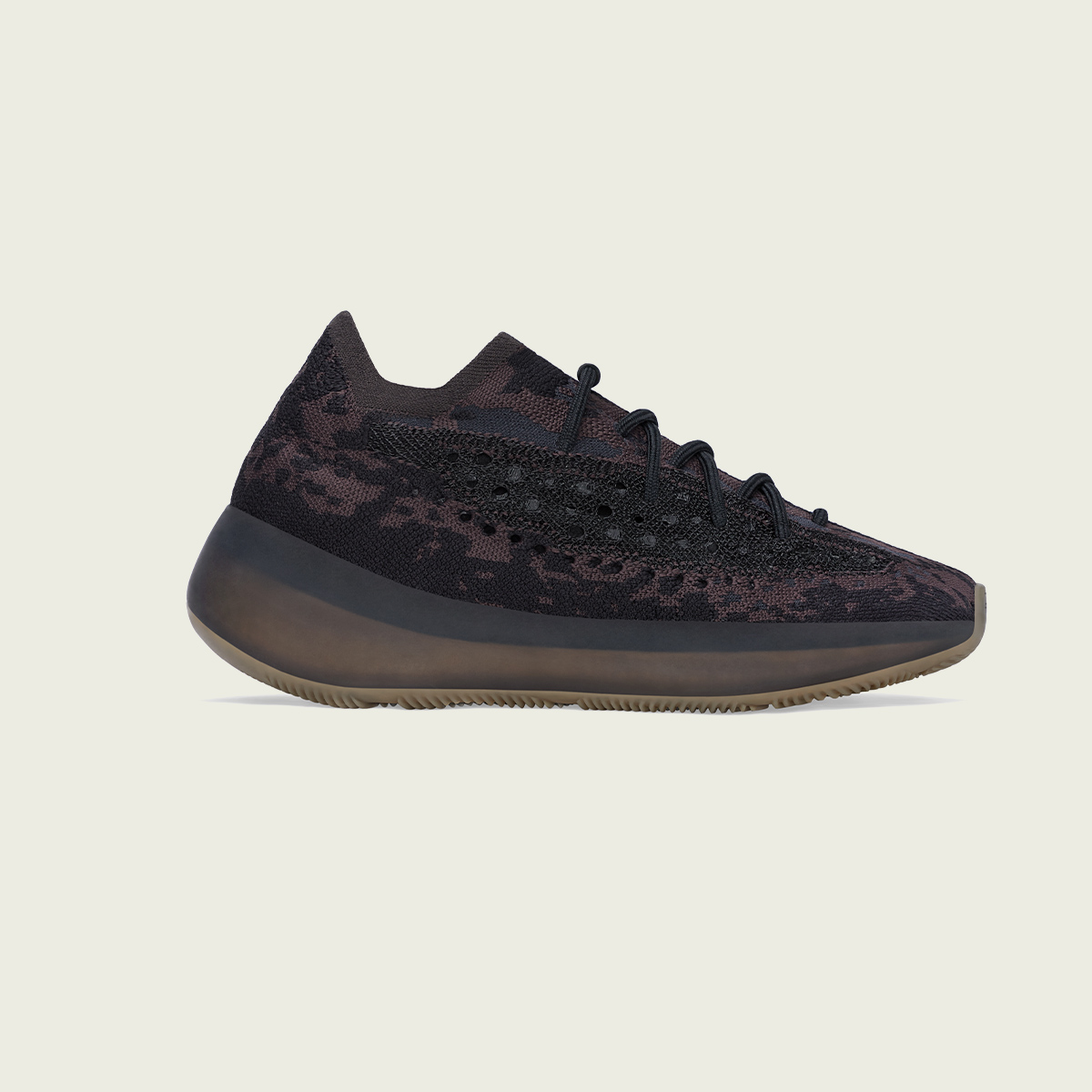
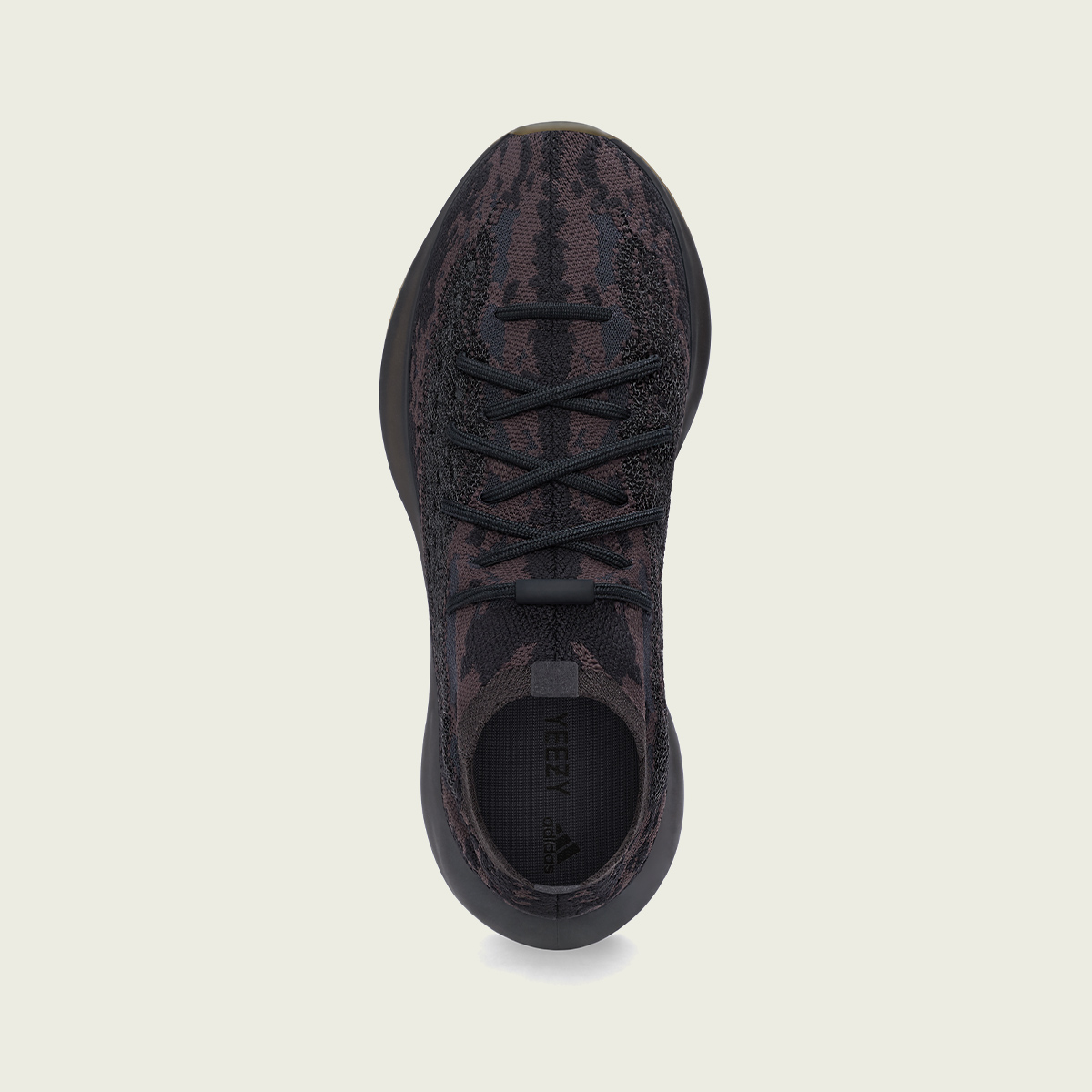
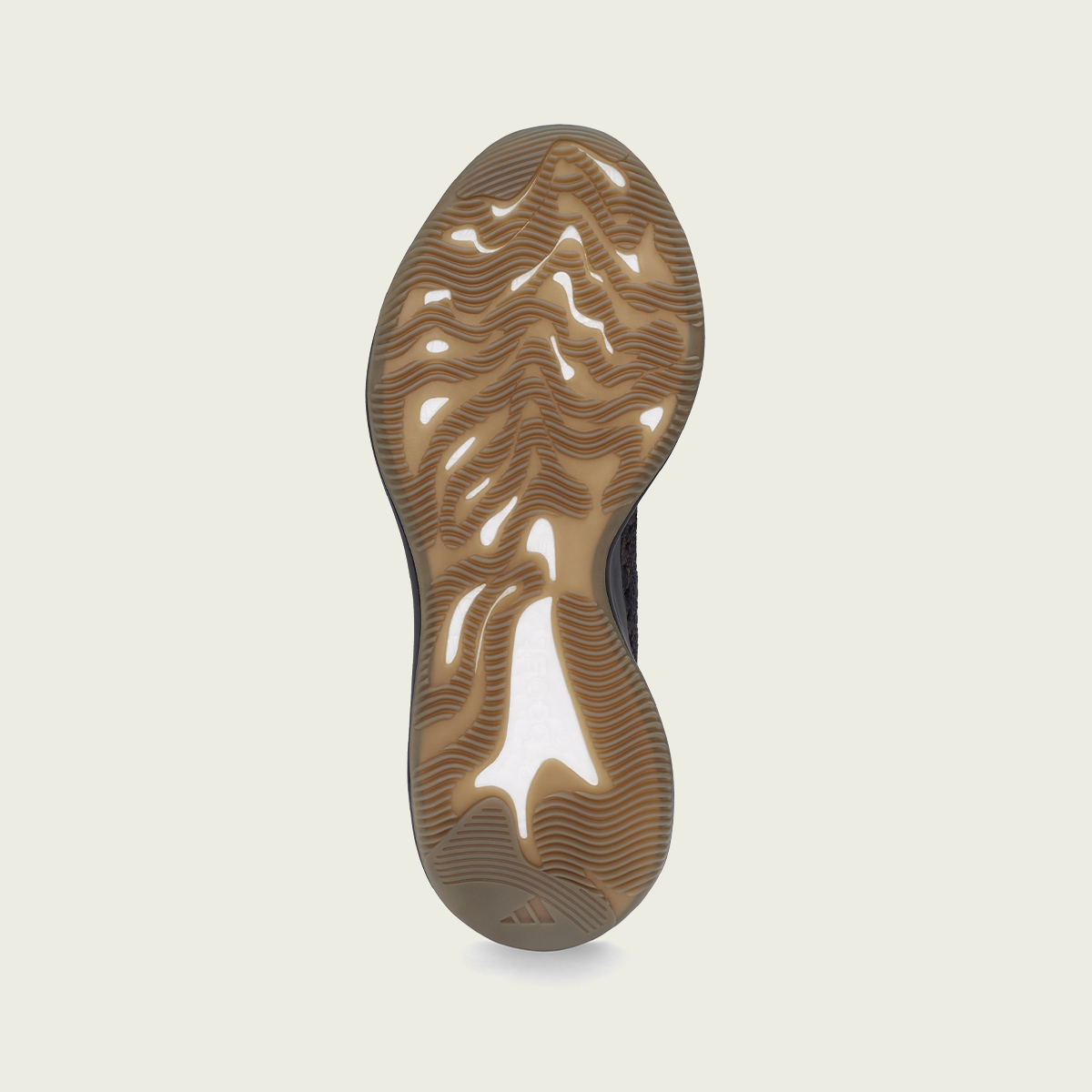
YEEZY BOOST 380 ‘Calcite Glow’

adidas Originals and Kanye West join once again this Autumn for an all new iteration of the coveted YEEZY BOOST 380. The YEEZY BOOST 380 ‘Calcite Glow’ features an upper composed of a white and grey re-engineered Primeknit offset with an onyx slash and striking glow in the dark green detailing alongside milky white laces, collar and sole. As expected, the 380 is finished off with a full-length BOOST midsole for endless added comfort.
The adidas + KANYE WEST YEEZY BOOST 380 ‘Calcite Glow’ launches at The Hip Store on 31/10/20 online via our raffle and in Leeds FCFS.